What you do now shapes what happens next
Flooding poses a real challenge for homes and businesses in Hull and the East Riding.
Even with good planning, water can enter a property through small gaps, drains or plumbing systems. But the steps you take to prepare your home can make a significant difference – both to whether water gets in and how quickly you recover if it does.
More than a third of households in Hull have yet to take any steps to better protect themselves from future flood events. Property flood resilience (PFR) is one of the most practical ways to change that.
Every £1 spent on property flood resilience measures provides an estimated £5 saving on future flood damage.
Source: The Flood Hub
PFR measures can reduce the cost of flood repairs by as much as 73% – and allow residents to return home weeks or months sooner than those who do not have them in place.
Source: Flood Re
What is property flood resilience?
Property flood resilience refers to the physical adaptations and measures you can make to your home or business to reduce the risk of floodwater entering – and to limit the damage if flooding does occur.
It covers both permanent changes and temporary measures that can be deployed quickly when a flood warning is issued. In the event of a flood, these can allow residents to return home weeks or months sooner than those who do not have them in place.
PFR falls into two categories:
- Resistance measures – designed to stop water getting in
- Resilience measures – designed to reduce damage if it does
Used together, these two approaches give your home the best possible protection against flooding and help you recover faster after a flood event.

Resistance measures – keeping water out
Resistance measures are the first line of defence. They are designed to stop floodwater entering your property in the first place:
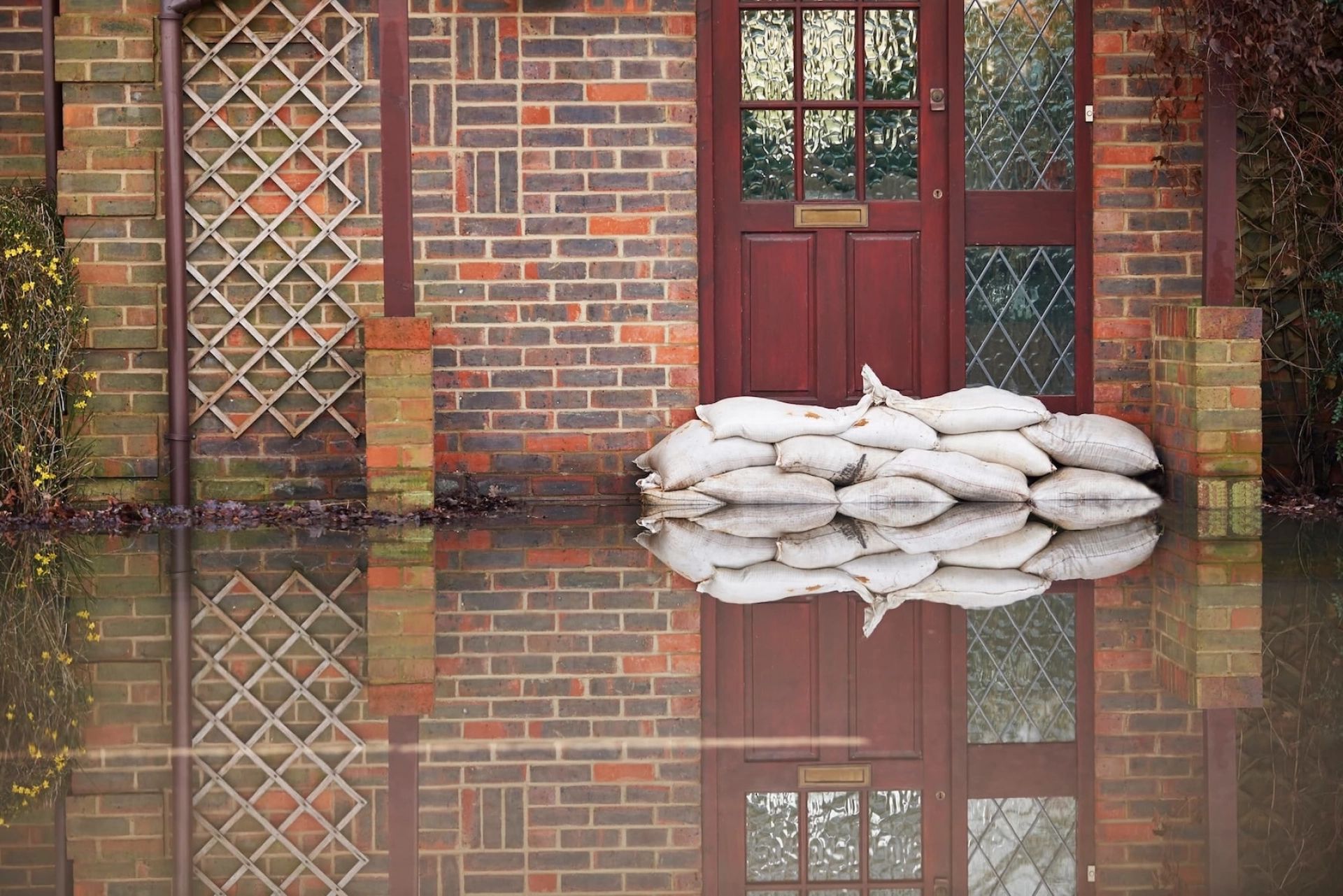
- Fit flood doors or barriers at entrances, low windows and other vulnerable entry points
- Install non-return valves on drains and plumbing systems to prevent sewage and floodwater backing up into your home
- Seal cracks in brickwork, walls, floors and around pipes with waterproof sealants
- Raise air bricks or fit self-closing air brick covers that seal automatically when water rises
- Deploy temporary flood boards or barriers when a flood alert is issued
In Hull, 84% of surface water flows directly into combined sewers – systems that carry both rainwater and sewage. When those systems are overwhelmed during heavy rainfall, non-return valves are one of the most effective measures for preventing sewage backing up into your home.
Resilience measures – reducing damage inside
Even well-protected homes can be affected by flooding. Resilience measures reduce the impact when water does get in and significantly speed up your recovery:
- Raise electrical sockets, fuse boxes, boilers and appliances above likely flood levels
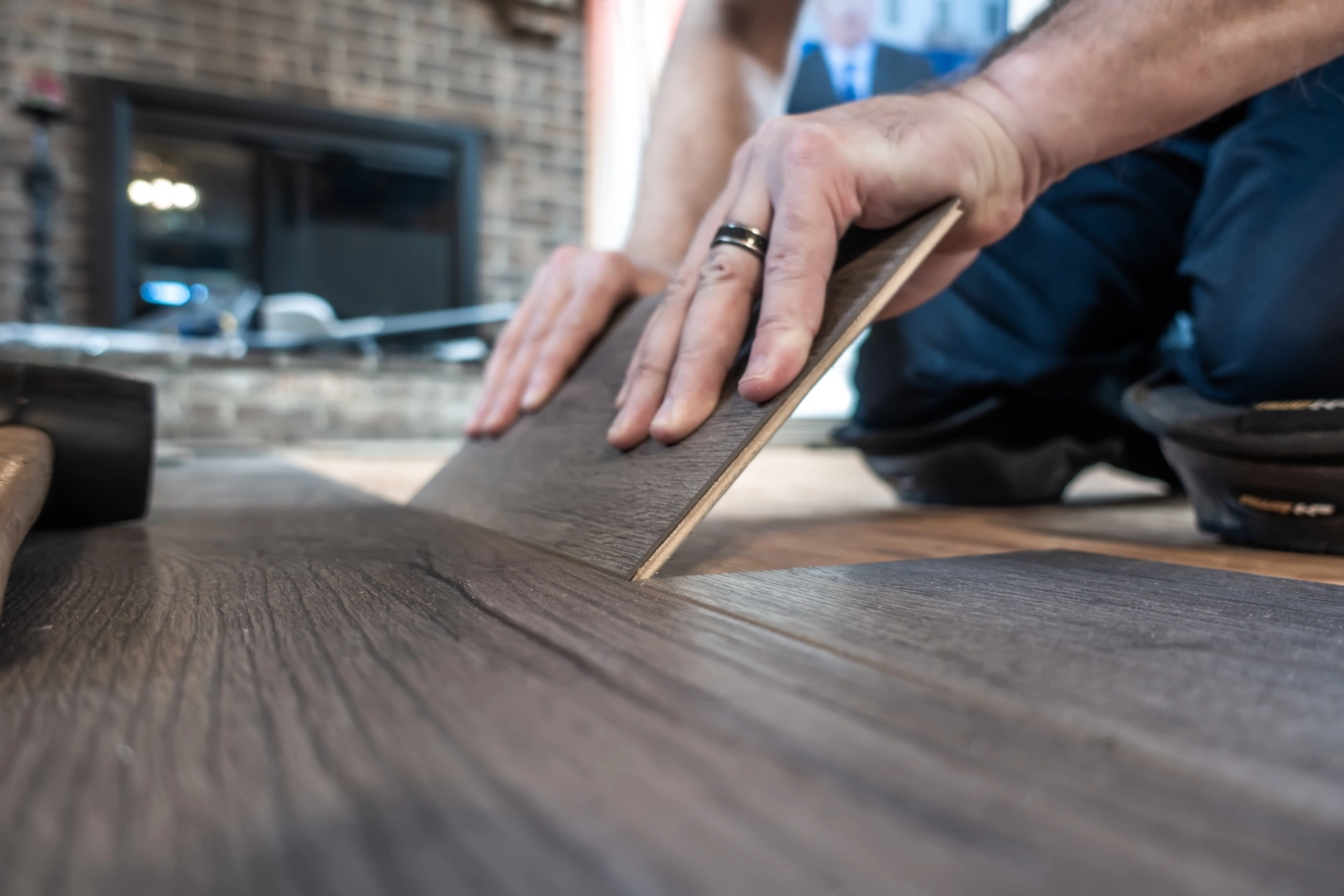
- Install water-resistant flooring such as tiles, sealed concrete or stone on ground floors
- Use moisture-resistant plasterboard or resilient plaster on ground-floor walls
- Store valuables, documents and electrical items on higher shelves or upstairs
- Install a sump pump to remove water that enters your property quickly
Resilience measures – particularly water-resistant flooring, raised electrics and resilient plaster – can significantly reduce the duration and cost of drying out and reinstatement after a flood.
Floods that last more than 24 hours cost on average 2.5 times more to repair than shorter flood events – and take around 100 days longer to process on insurance claims.
Source: Flood Re research
Check where water could get into your home
Before investing in PFR products, it is worth walking around your property and identifying where floodwater might get in. Common entry points include:
- Gaps under external doors and around window frames
- Air vents and gaps around pipes entering the building
- Cracks in walls, floors or foundations
- Drains and plumbed-in appliances such as toilets, washing machines and sinks, which can back up during heavy flooding
Knowing your vulnerabilities lets you target your investment where it will make the most difference.
Getting help with property flood resilience
You do not always have to fund PFR measures entirely yourself. There are a number of ways to get support:
Yorkshire Flood Resilience
Yorkshire Flood Resilience is a DEFRA-funded pathfinder project working to raise awareness of PFR measures and their benefits across Hull and the East Riding. Residents can find out more about what is available and how to access support.
Flood Re – Build Back Better
If your home has flooded and you make an insurance claim, Flood Re’s Build Back Better scheme allows eligible properties to be reinstated with flood resilience improvements included as part of the repair work – at no additional cost to you. Speak to your insurer about whether your property is eligible.
Finding approved suppliers
The National Flood Forum’s Blue Pages directory lists approved suppliers of flood protection products and services across the UK, with independent guidance on costs, installation and what to expect.
Insurance and financial protection
Even with good resilience measures in place, water damage can still occur. Make sure your insurance is in order.
- Check that your policy covers both buildings and contents for flood damage, including backflow from drains and sewers
- Confirm what your policy defines as flood damage
- Keep your insurer’s contact details and 24-hour emergency helpline easily accessible
- Take photographs or video of your home and any PFR measures you have installed – useful evidence for any future claim
- Tell your insurer about any resilience measures you have put in place – this may positively affect your premium

The average cost of a home insurance flood claim in 2024-25 ranged between £60,000 and £90,000, with alternative accommodation costs playing a significant role.
Source: Flood Re
Frequently asked questions
Resistance measures are designed to stop water entering your property – examples include flood doors, barriers, non-return valves and self-closing air bricks. Resilience measures reduce the damage if water does get in – for example, raised electrical sockets, water-resistant flooring and moisture-resistant plaster. Both work best when used together, and a combination of the two can reduce flood repair costs by as much as 73%.
Yes. In areas like Hull, where 84% of surface water flows into combined sewers, water and sewage can back up through drainage systems and plumbed-in appliances such as washing machines, toilets and sinks during heavy rainfall. Fitting non-return valves on drains and checking plumbing regularly are among the most effective ways to reduce this risk.
Small gaps under doors can be sealed with brush-seal strips or flood-specific door seals. Gaps around pipes and air bricks can be addressed with waterproof sealants or self-closing air brick covers. For larger structural gaps, seek advice from a specialist – the National Flood Forum Blue Pages directory lists approved contractors.
On ground floors, tiles, stone or sealed concrete are far more resilient to flooding than carpet or timber. For walls, moisture-resistant plasterboard or resilient plaster laid horizontally means only the affected sections need replacing after a flood, rather than entire walls. These choices can significantly reduce drying time and reinstatement costs.
Insurers increasingly recognise PFR measures and some will take them into account when setting premiums. The Flood Re Build Back Better scheme also allows eligible properties to have resilience measures installed as part of the claims process after a flood. Always inform your insurer of any improvements you have made and keep a photographic record as evidence.
Yes – there are several routes to support. Yorkshire Flood Resilience is a DEFRA-funded project offering guidance and support to Hull and East Riding residents.
The Flood Re Build Back Better scheme covers PFR improvements within eligible insurance claims. Government grant schemes are also occasionally made available following significant flood events. Contact your local council or the Environment Agency to find out what may be available in your area.
The Government provides free guidance on adapting your home or business to flood risk, including information on resistance and resilience measures, suppliers and funding. The National Flood Forum and Yorkshire Flood Resilience also offer locally relevant advice for residents of Hull and the East Riding.