
How to prepare your home for flooding
No home can be made completely flood-proof – but there is a great deal you can do to reduce the risk of water getting in and to limit the damage if it does.
Good house flood protection combines two approaches: resistance measures that try to keep water out, and resilience measures that reduce the damage if water does get in.
Our diagram below shows the full range of measures you can apply to your home – from fitting a flood-resistant front door and raising electrical sockets, to installing a sump pump and using permeable surfaces on your driveway.
The pages below explore two of the most accessible and effective ways to get started.

1. Important items and documents upstairs or at height
2. Resilient plaster or plasterboard, laid horizontally
3. Easily-accessed storage in garage for flood barriers and blocks
4. Raised electrical sockets
5. Flood barriers to protect garages
6. Try to move vehicles to higher ground
7. Flood resistant front door
8. Seals an covers for service vents or self-closing air-bricks
9. Permeable surface on driveways, patios and paths
10. Bottom two stairs concrete with removable carpet
11. High shelves downstairs
12. Wall-mounted TV on ground floor
13. Sump/pump to remove water
14. Non-return valve is sewer pipe
15. Kitchen units made from metal/marine or plastic on legs
16. Tiled floors with waterproof adhesive and grout
17. White goods on raised plinths
18. Separate electrical circuit for upper and lower floors
20. Boiler moved to upper floor of wall-mounted on ground floor
21. Water butts and rain gardens to capturer run-off and reduce surface water
22. Planting trees and shrubs to capture run-off and reduce surface water
Water butts
One of the simplest forms of home flood defence is also one of the most affordable. Installing a water butt captures rainwater before it reaches drains and reduces pressure on the local drainage system. Living With Water has installed 500 free water butts across Hull and the East Riding since 2023.

Property flood resilience
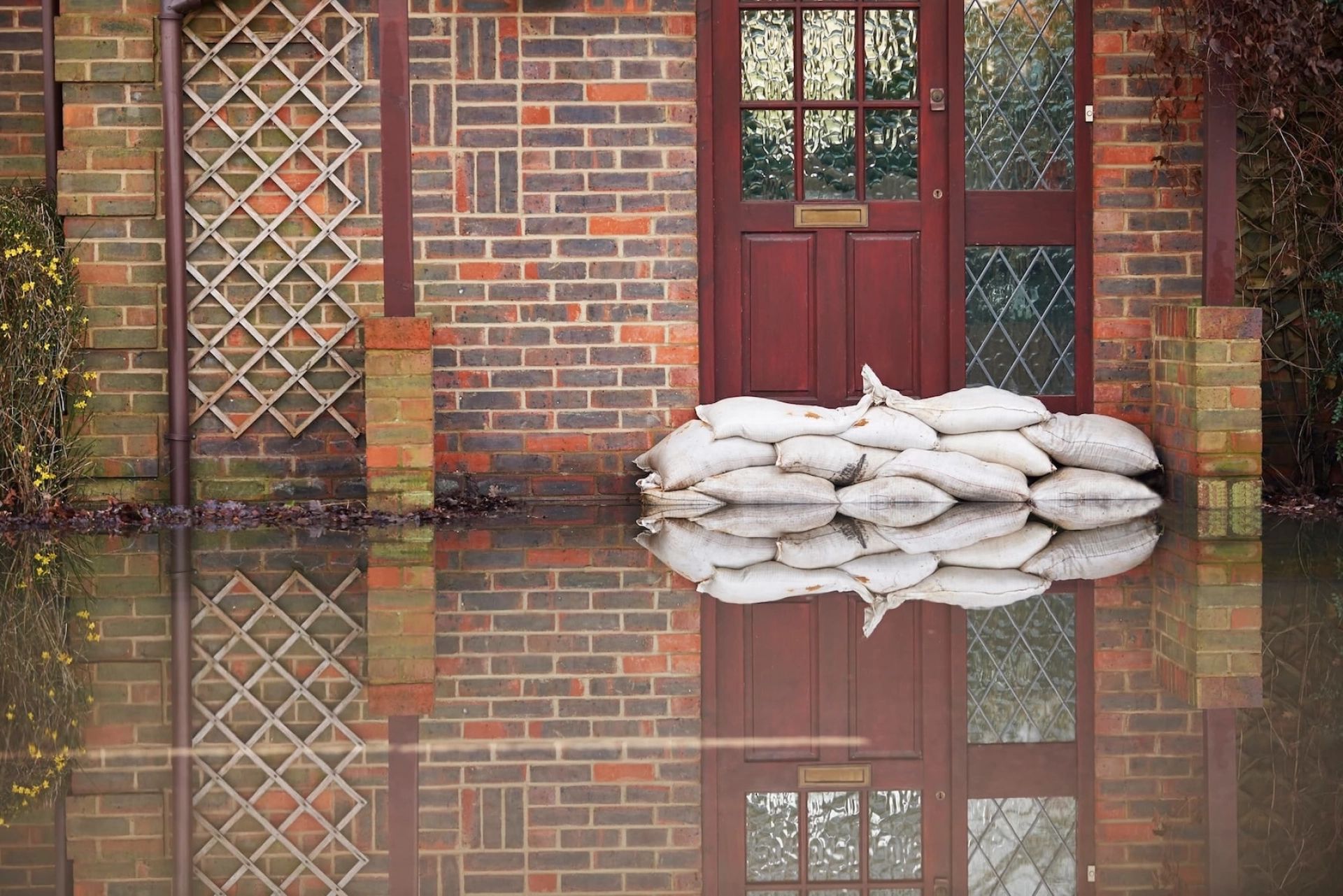
Property flood resilience (PFR) products are purpose-made home flood defences that adapt your home to be both resistant and resilient to flooding.
From flood doors and barriers to non-return valves and self-closing air bricks, there is a wide range of products available to suit different properties and budgets. Find out what is available, how to get it installed and whether you may be eligible for support with the cost.
Not sure where your home is most vulnerable?
Start by checking your flood risk and signing up for free flood warnings – then use the pages below to explore your options.
Frequently asked questions
Resistance measures – sometimes called home flood defences – are designed to stop water entering your property. Examples include flood barriers, flood doors, non-return valves and self-closing air bricks.
Resilience measures reduce the damage if water does get in – for example, raising electrical sockets, using water-resistant flooring and fitting wall-mounted kitchen units. Both types work best when used together.
Costs vary widely. Some steps – such as clearing gutters, sealing cracks and fitting a water butt – are low cost or even free. More significant house flood protection measures, such as a flood door or non-return valve, involve a higher upfront cost but can significantly reduce repair bills after a flood.
Yes – there is plenty you can do as a tenant without making permanent changes. Temporary flood barriers, raised storage and water butts are all practical options. For more significant measures, speak to your landlord – it is in their interest to protect the property too. Make sure your contents insurance covers flood damage.
In many cases, yes – positively. Insurers increasingly recognise flood protection measures and may take them into account when setting premiums. Buyers and surveyors may also view them as a benefit, particularly in known flood-risk areas. Keep a photographic record of any measures you have installed and let your insurer know.
The National Flood Forum's Blue Pages directory lists approved suppliers of flood protection products and services across the UK, with guidance on what different products do and what to expect in terms of cost and installation.