Catch the rain before it reaches the drains
Living With Water is always looking at practical solutions to help increase flood resilience in Hull and the East Riding – and a water butt is a simple step many of us can take at home.
One of the biggest contributors to flooding across the region is surface water caused by heavy rainfall. When rain falls faster than drains can handle it, water builds up on roads, gardens and in properties.
By capturing rainwater before it ever reaches the drainage system, a water butt helps reduce that risk, for your home and for your neighbours.
What is surface water flooding?
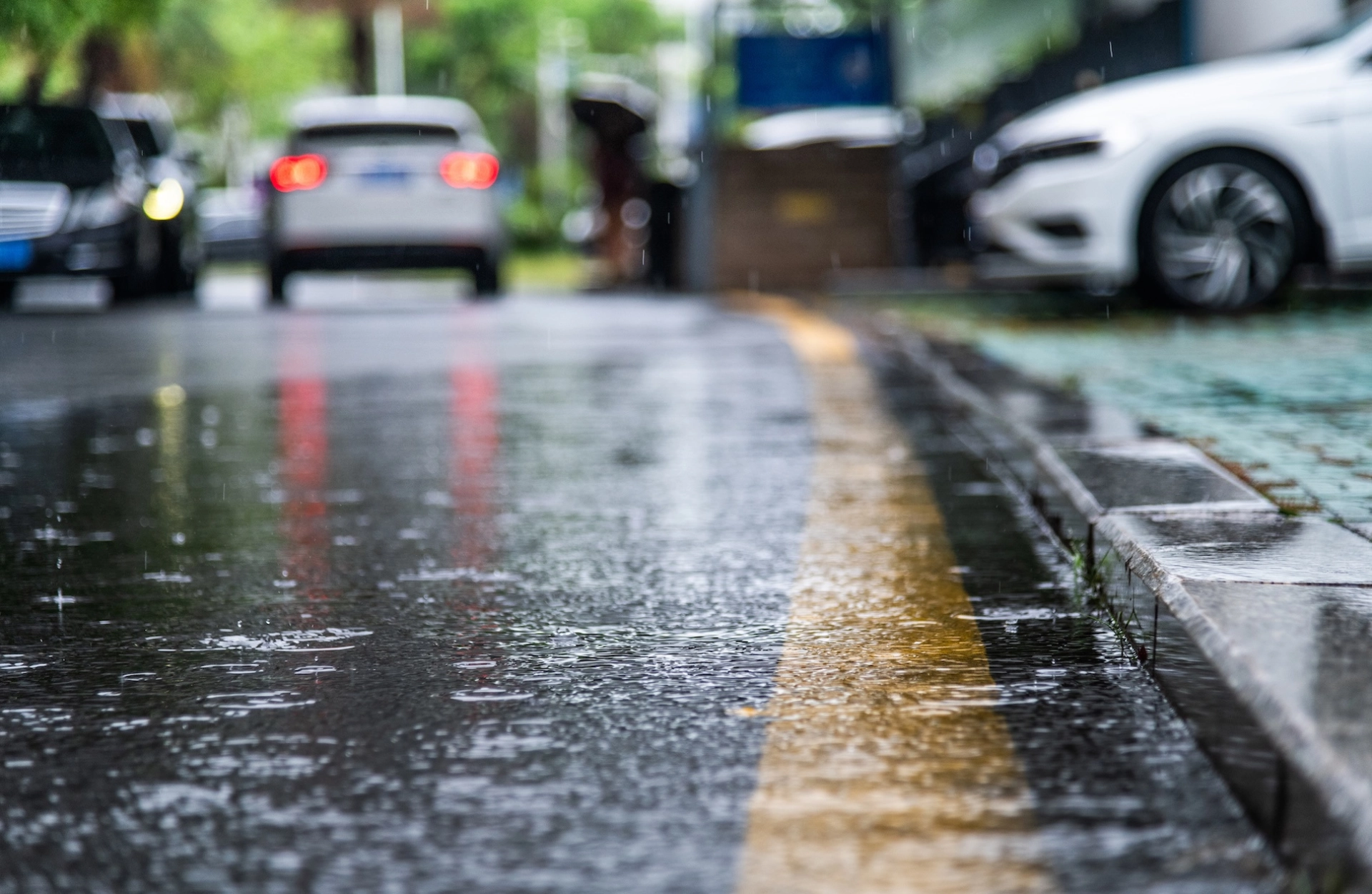
Surface water flooding happens when heavy rainfall overwhelms underground drains and sewers, causing water to spill out and accumulate on the surface. It can affect roads, gardens and properties, even those nowhere near a river or the coast.
Our weather patterns are also changing with climate change bringing more frequent and intense rainfall events – hotter, drier summers followed by warmer, wetter winters with 20-50% more rain. After a dry spell, hard ground absorbs very little water, so when heavy rain arrives it runs straight off roofs, roads and pavements into drains that quickly become overwhelmed.
In Hull, 84% of surface water flows directly into combined sewers – systems that carry both rainwater and sewage. When those systems fill up during heavy rain, floodwater has nowhere to go.
How do water butts help?
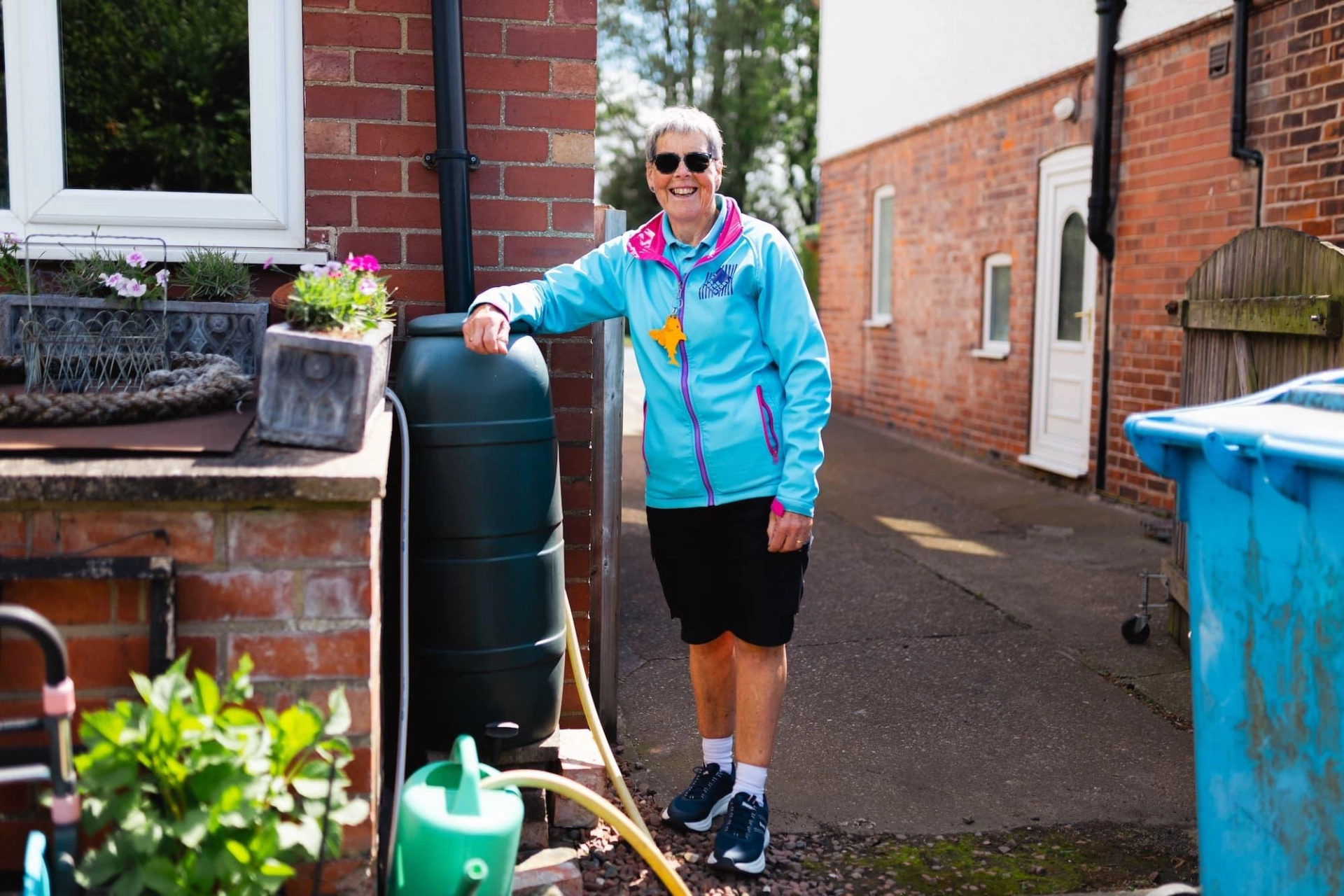
A water butt connects to your drainpipe and captures rainwater as it falls from your roof. That water is stored for later use rather than flowing straight into the sewer system.
It sounds simple because it is, but the impact adds up quickly.
When many households in a street or neighbourhood do this together, the combined effect significantly reduces pressure on local drains during peak storms – helping to protect the whole community from surface water flooding.
Did you know? 90,000 litres of rainwater falls on a roof in a single year. You can save around 5,000 litres a year by collecting it in a water butt. (Source: Yorkshire Water)
Other benefits of installing a water butt
As well as helping to reduce flood risk, a water butt offers several practical benefits for your home:
- Free water for your garden – ideal for watering plants, topping up ponds and washing outdoor areas
- Better for plants – rainwater is naturally soft and nutrient-rich, which many plants prefer over tap water
- Lower water bills – using harvested rainwater reduces your mains water consumption, especially during dry spells
- Easy to install – most water butts can be set up in under an hour and begin working straight away
One water butt holds up to 200 litres – the equivalent of around 20 full washing up bowls.
Our water butt scheme
Between 2023 and 2025, we distributed 500 free 227-litre water butts to community groups and residents across Hull and Haltemprice, as part of our work to reduce surface water flooding and promote water conservation across the region.
That scheme has now closed and we are no longer accepting applications. However, we may relaunch the programme in the future, so keep an eye on this page and sign up to our newsletter to be the first to hear about any new opportunities.
Getting the most from your water butt
To make sure your water butt works as effectively as possible:
- Position it directly beneath a downpipe so rainwater flows straight in from your roof
- Fit a filter or leaf guard to keep debris out and maintain cleaner stored water
- Use the water regularly – keeping the butt from filling up completely means it has capacity during the next heavy downpour
- If you have space, link two water butts together to double your storage capacity
Combining a water butt with other sustainable drainage measures – such as a rain garden, permeable paving or more planting in your garden – makes an even bigger difference to surface water management in your local area.
Frequently asked questions
Yes. A water butt captures rainwater before it enters the drainage system, reducing the volume of surface water during heavy rainfall. One butt makes a small but meaningful difference – and when many households do this, the combined effect can significantly ease pressure on local drains and reduce the risk of surface water flooding in the surrounding area.
Position it directly beneath a downpipe so that rainwater from your roof flows straight in. Make sure it is on a stable, level surface to prevent tipping. If you have space alongside a second downpipe, a second butt connected to the first will give you even greater capacity.
Most standard water butts hold around 200-227 litres, which is suitable for general garden use and flood risk mitigation. If you have a large roof area or heavy rainfall in your area, linking two or more butts together – or choosing a larger barrel – will maximise the amount of rainwater you capture.
Fit a filter or leaf guard at the inlet to stop debris getting in. Use the stored water regularly to prevent it from going stagnant. Water collected in a butt is perfectly safe for watering plants, washing outdoor surfaces and garden irrigation, but should not be used for drinking or cooking.
Check gutters and downpipes regularly to make sure they are clear of blockages – a blocked gutter means less water reaches your butt. Clean the butt itself once or twice a year and check for cracks or leaks. Make sure the tap works freely and that the overflow outlet directs excess water away from your property.
Our previous water butt scheme – which distributed 500 free 227-litre butts to residents in Hull and Haltemprice – has now closed. We may relaunch the programme in the future. Sign up to our newsletter to be notified if a new scheme becomes available.
Yes. Alongside a water butt, you can install permeable paving on your driveway to help rainwater soak away naturally, create a rain garden to capture run-off, and add more planting to your garden – plants and trees absorb rainfall and slow the flow of surface water. Every green addition to your garden helps.