We have a 25-year vision for how to manage surface water across Hull and the East Riding. We call it the Blue-Green Plan.
It combines blue infrastructure such as drainage systems, storage schemes and water features with green infrastructure like trees, plants and open spaces.
Together they slow the flow of water and reduce the risk of the drainage system being overwhelmed during heavy rainfall.
What are SuDS and why do they matter?
Sustainable drainage systems, or SuDS, are at the heart of our Blue-Green approach. They work by mimicking how water moves through a natural landscape – slowing it down, spreading it out and letting it soak in, rather than rushing it into drains and sewers.
This is essential because 84% of the city's surface water flows into combined sewers and the geography of the city makes it very difficult to move water out. Even moderate rainfall can cause flooding issues.
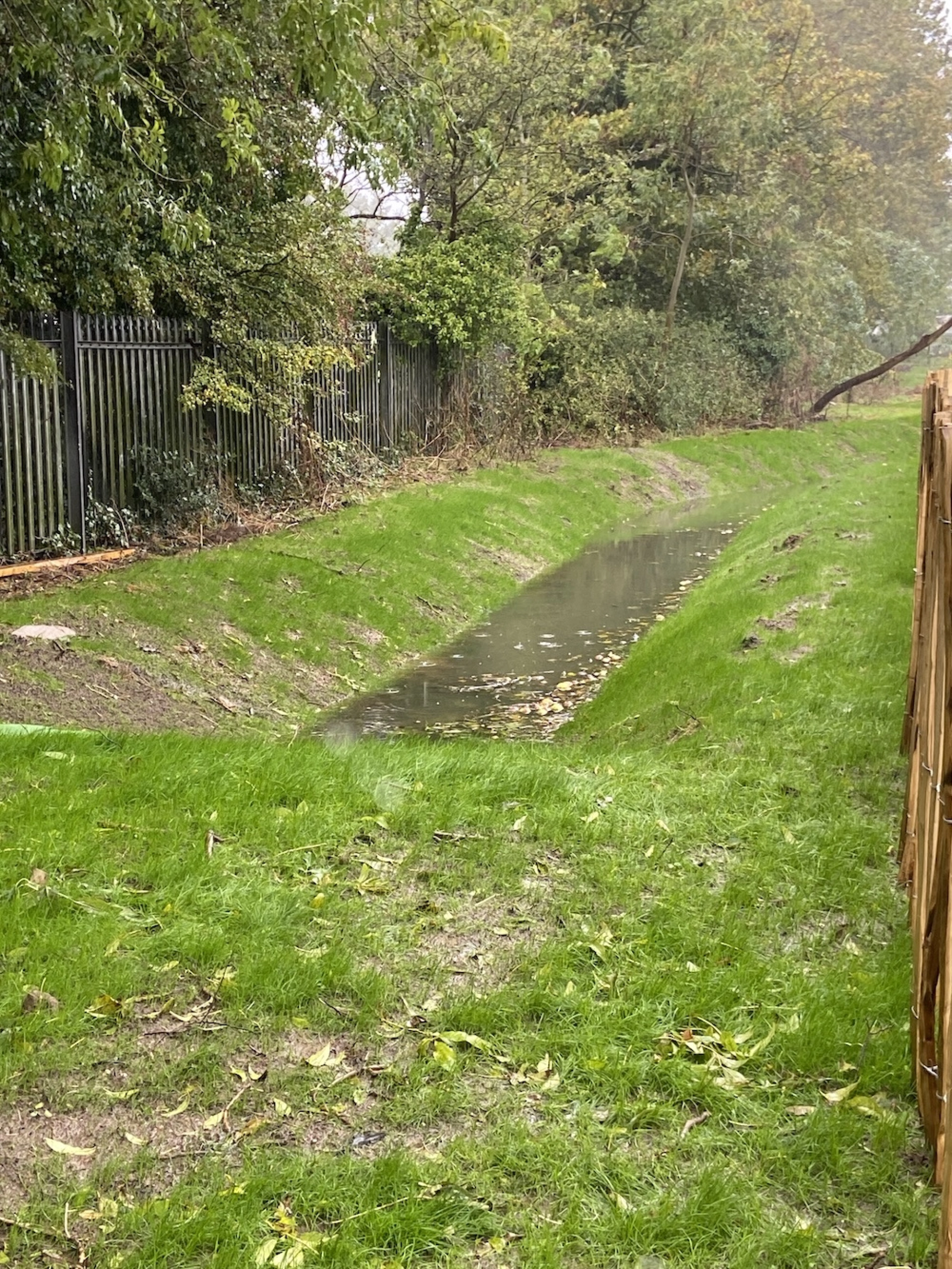
SuDS intercept that water before it becomes a problem. Depending on the site, that might mean permeable paving with controlled storage below the surface, swales and detention basins in green spaces that temporarily hold water during heavy rainfall, or rain gardens and tree pits that absorb runoff from roofs and roads.
Well-designed SuDS also improve water quality and support biodiversity, turning functional drainage into greener, more attractive public spaces – this in turn also increases amenity and can lead to healthier outcomes for residents.
What we've delivered so far
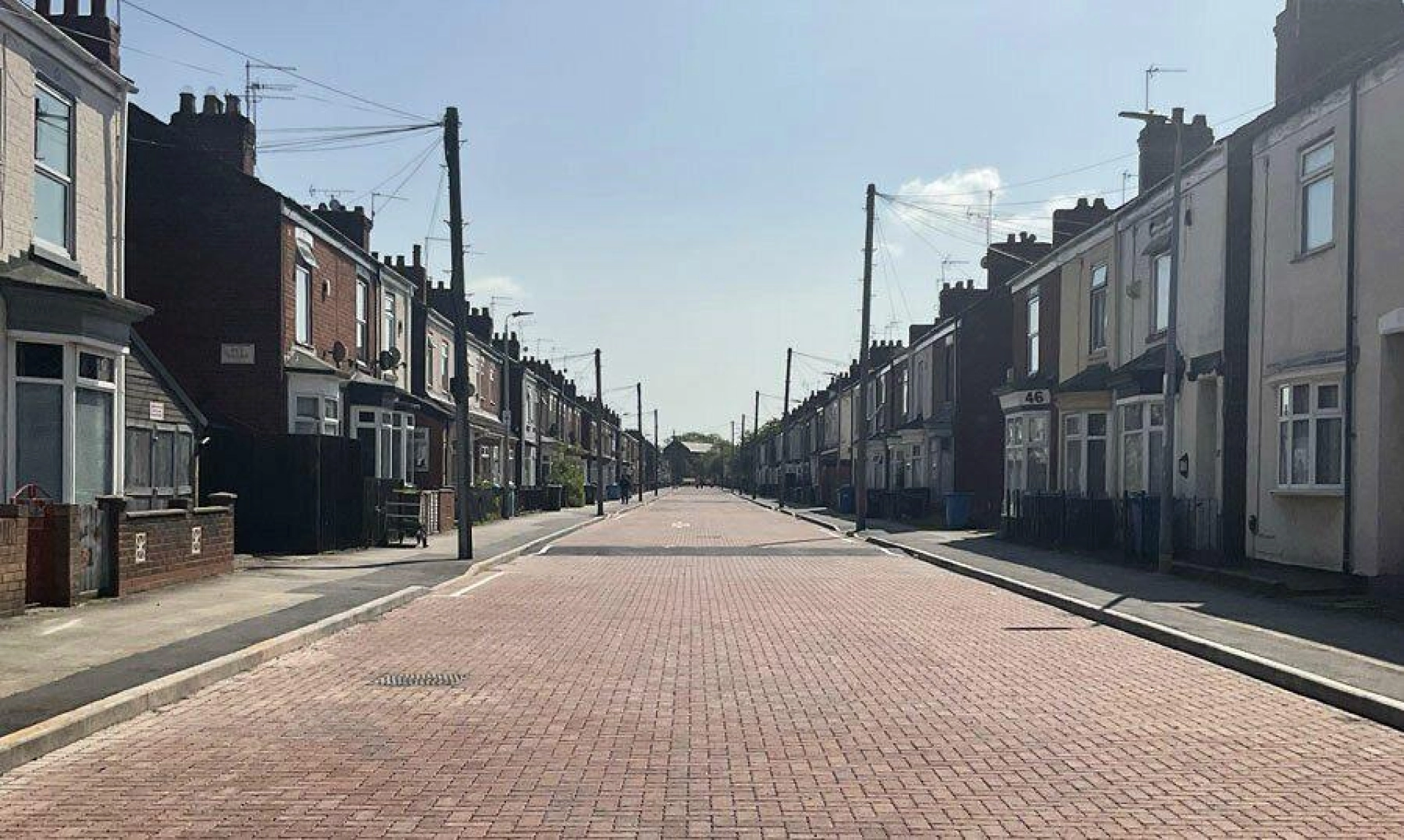
Between 2019 and 2024, we invested over £20 million in SuDS schemes across Hull and the East Riding. Starting with Rosmead Street – Hull's first fully permeable paved street, completed in May 2023 – the programme has since delivered schemes at Derringham, Bilton and Orchard Park. Each project was shaped through consultation with the communities it serves.
What comes next
Yorkshire Water is investing a further £26.3 million in the next phase of the Blue-Green Plan, focusing on the west of Hull and the East Riding – areas vulnerable to multiple types of flood risk.
The work, which began in 2025 and is planned to take place until 2030, will disconnect roadside drainage from the combined sewer network and replace it with roadside SuDS and rain gardens, redirecting surface water through existing or newly created blue-green corridors.
To make this work, we will complete the first stage of constructing a new tidal pumping station to discharge flows directly to the Humber, removing water from the system when tides are too high for it to drain naturally.
In total, the programme will take approximately 10 hectares of surface water (equivalent to 7km of roads) out of the combined sewer network, delivering a 1-2% flood resilience improvement across the catchment. Stantec is working with Living With Water on the early stages of the project.
What you can do to help
Flood resilience isn’t just about SuDS schemes and large multi-million pound projects. We can all take individual actions at home to help reduce water waste and take pressure off the drainage systems that serve our communities.
Install a water butt to capture roof rainwater. Choose permeable paving or gravel rather than concrete for driveways and paths. Keep drains clear by not pouring fats down the sink. And flushing only the three Ps – pee, poo and paper – all play a huge role increasing flood resilience across our region.
We'd love to hear from you
A key element of our Blue-Green Plan is to work with you to understand your thoughts and ideas about SuDS in your community.
Drop us an email at enquiries@livingwithwater.co.uk or engage with us on Facebook and LinkedIn.