The different types of flooding – and what to do about them
When most people think of flooding, they picture torrential rain and overflowing rivers. But there are several types of flooding – and here in Hull and East Yorkshire, we can experience all of them.
Our local geography makes this region uniquely vulnerable. 95% of Hull sits below the highest tide levels. 100% of the city relies on pumped drainage systems. And 106,000 of Hull’s 120,000 homes are at risk of flooding in some form. The good news is that understanding the risks is the first step towards being prepared – and there is plenty you can do.
River flooding
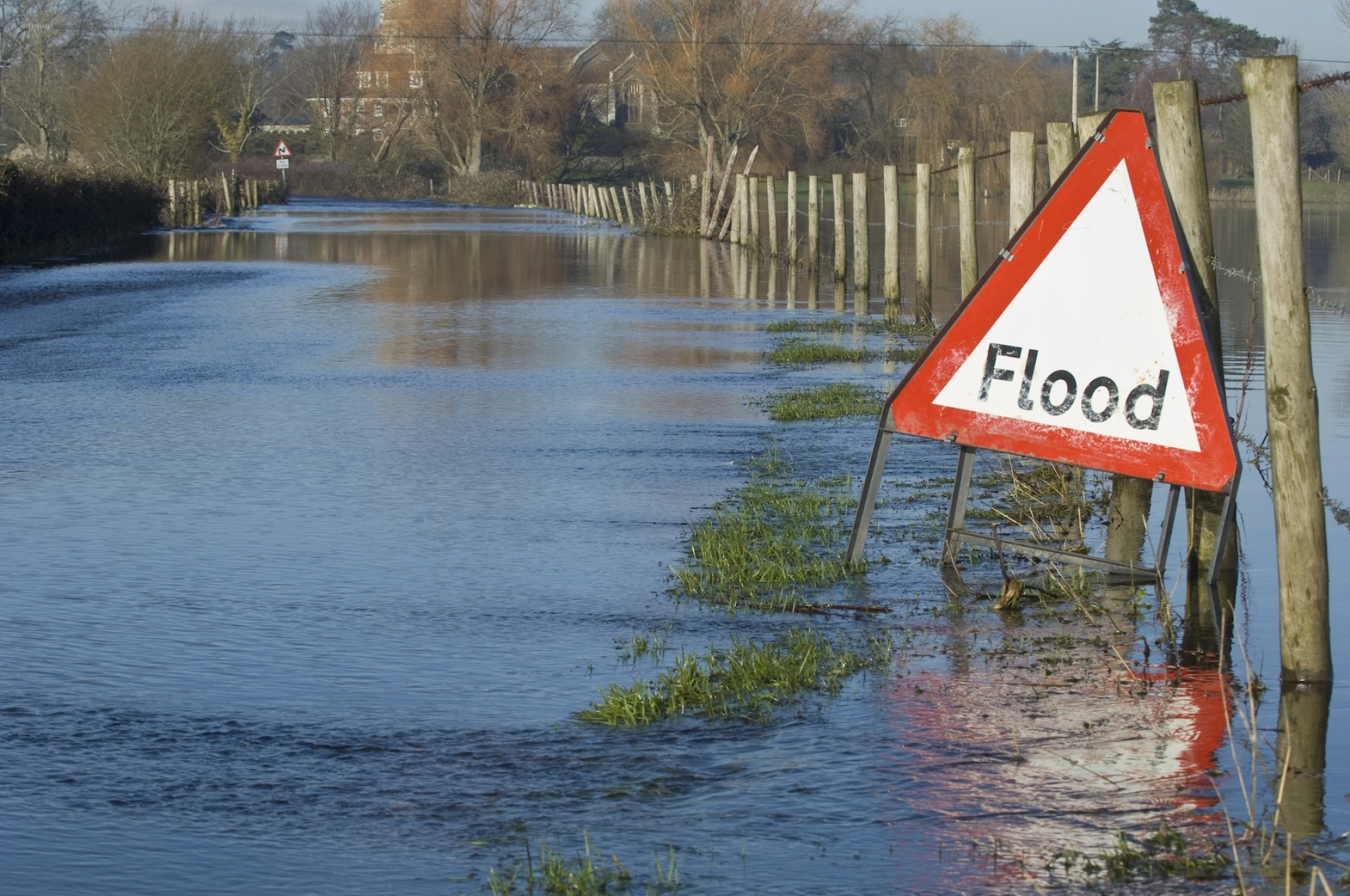
River flooding happens when watercourses overflow after long periods of heavy rain or snowmelt. It can affect properties that seem well away from the water’s edge – floodwater can travel quickly and unpredictably once a river breaks its banks.
In Hull and the East Riding, the River Hull and its network of drains can pose a significant risk to local communities.
What you can do
- Sign up for free flood warnings from the Environment Agency so you get alerts direct to your phone.
- If you live near a watercourse, know your nearest evacuation route.
- Store important belongings – documents, electricals, valuables – upstairs as a matter of habit, not just when a flood warning is issued.
Tidal and coastal flooding
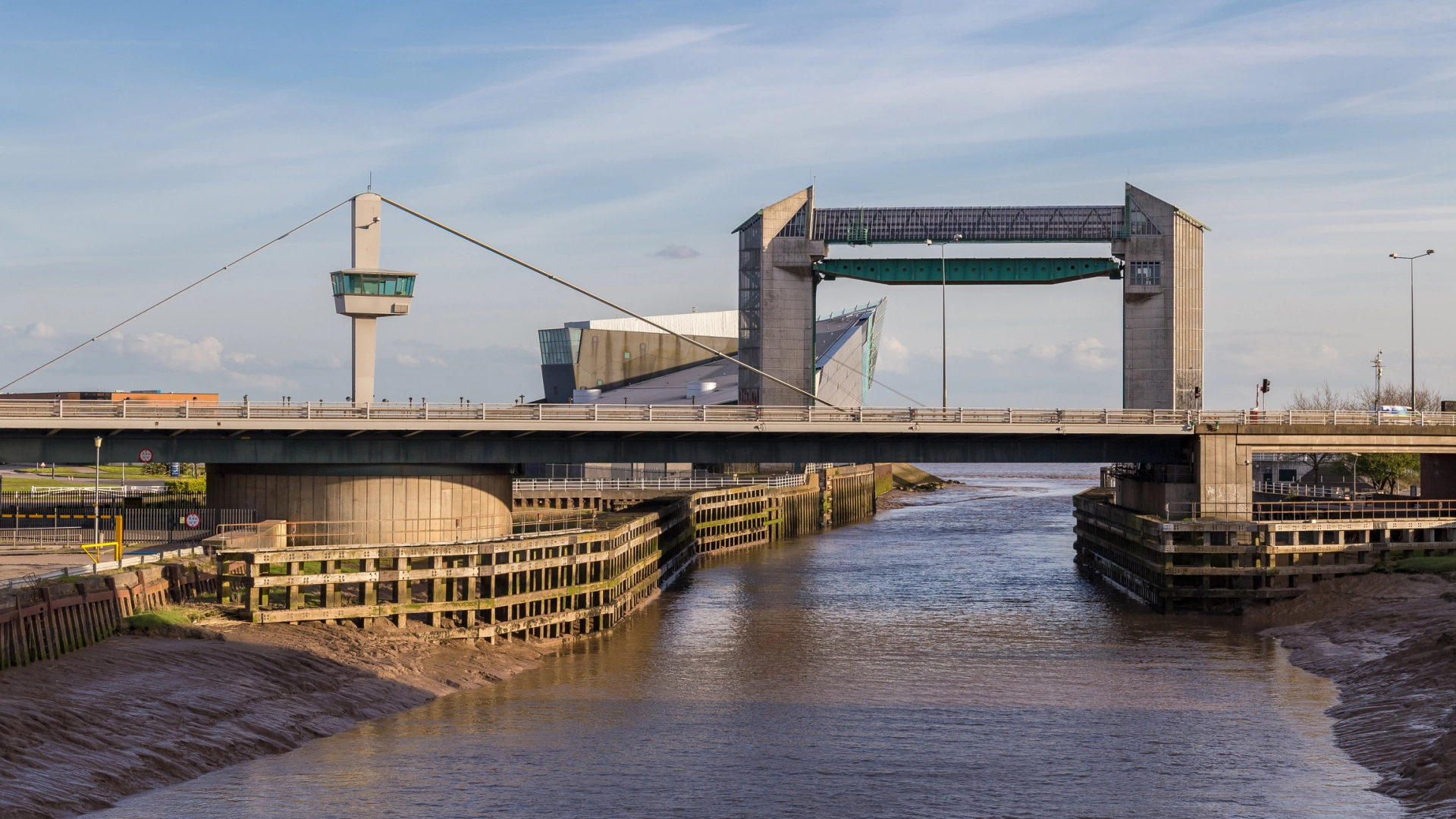
Hull’s position close to the Humber Estuary and the North Sea means tidal and coastal flooding is a very real risk. During storm surges and high tides, seawater can be pushed inland, flooding low-lying coastal and estuarine communities fast.
The scale of this risk is significant. Tidal flood risk from the Humber Estuary and its tributaries affects an area of over 140,000 hectares across the region. The Government’s National Risk Register places the Humber in the highest risk category for coastal flooding in the UK.
History shows what that can mean in practice. The North Sea flood of January 1953 claimed 300 lives across England and displaced 300,000 people. In December 2013, the largest tidal surge ever recorded on the Humber flooded over 1,100 properties and 7,000 hectares of land. Rising sea levels are making this risk worse – the Humber could see a rise of 10-15cm per decade, and between 1m and 1.3m over the next 100 years.
What you can do
- Keep an eye on Met Office coastal weather forecasts, especially during periods of strong winds and high tides.
- Consider installing property flood protection measures such as flood doors or barriers.
- Register for the Environment Agency’s free flood warning service for tidal alerts.
Surface water flooding
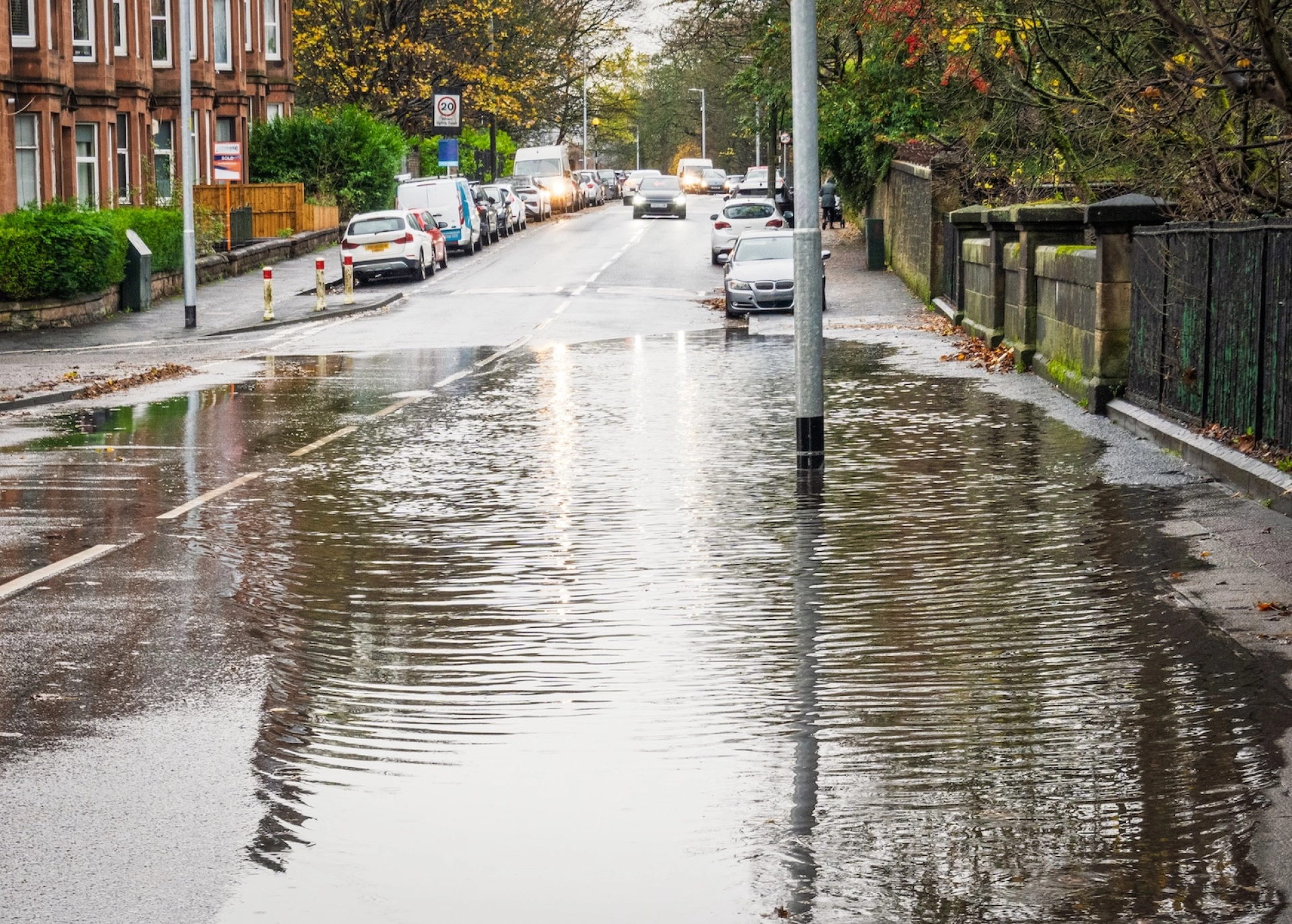
Surface water flooding is one of the most common types of flooding in urban areas like Hull. It happens when rainfall is so intense that it cannot drain away quickly enough – water pools on roads, pavements, driveways and gardens, and can enter properties fast.
In 2007, rainfall intensity exceeded 6mm per hour from 8am to 5pm – far beyond what the drainage system could cope with. 84% of surface water in Hull flows to combined sewers, which quickly became overwhelmed. More than a third of households in the city have yet to take steps to better protect themselves from future flood events.
What you can do:
- Use permeable materials – such as gravel, paving blocks or grass – for driveways, to help water soak away naturally.
- Install a water butt to collect rainwater and reduce pressure on drains. Living With Water has installed 500 free water butts across Hull and the East Riding since 2023.
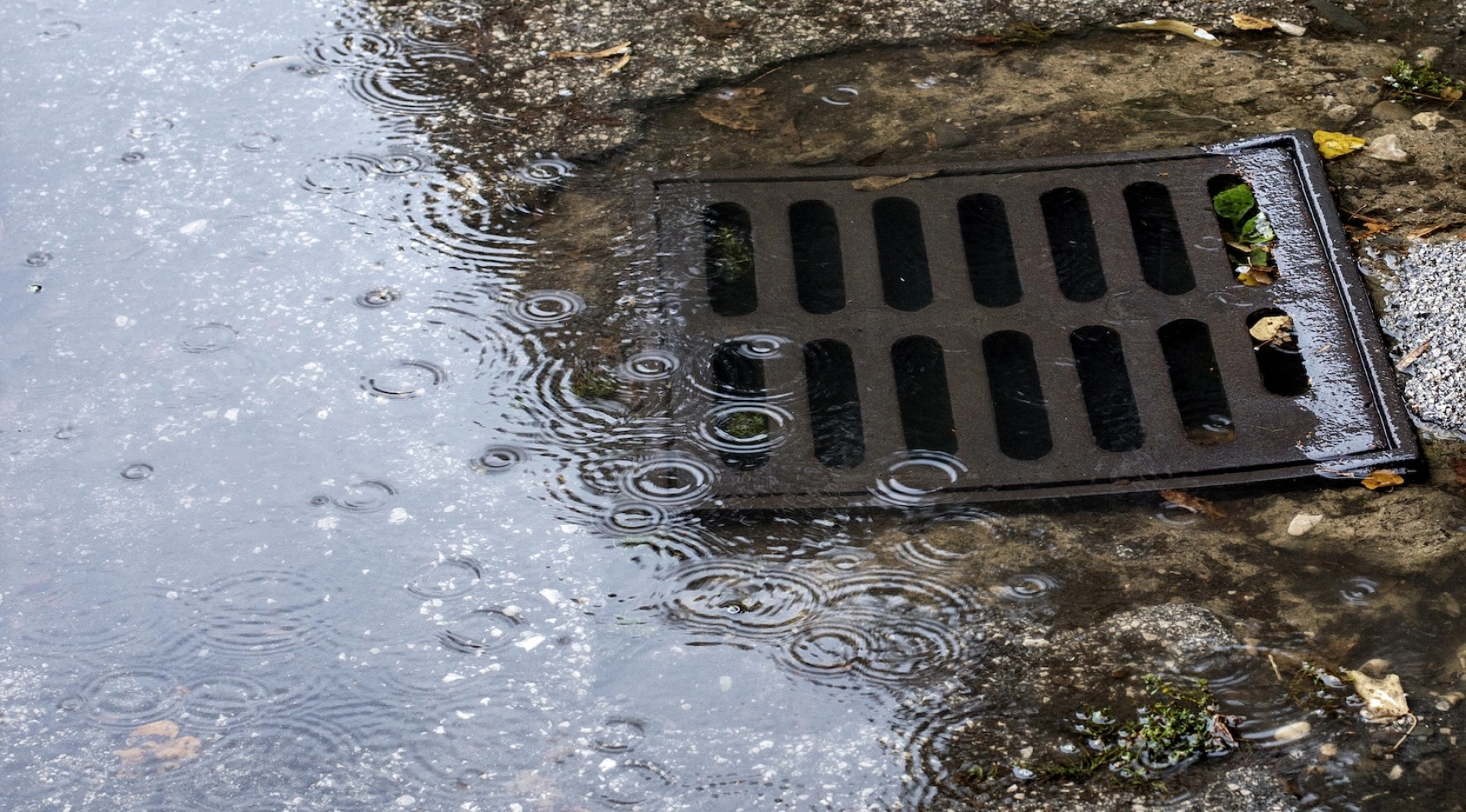
- Report blocked drains to your local council promptly.
Sewer flooding
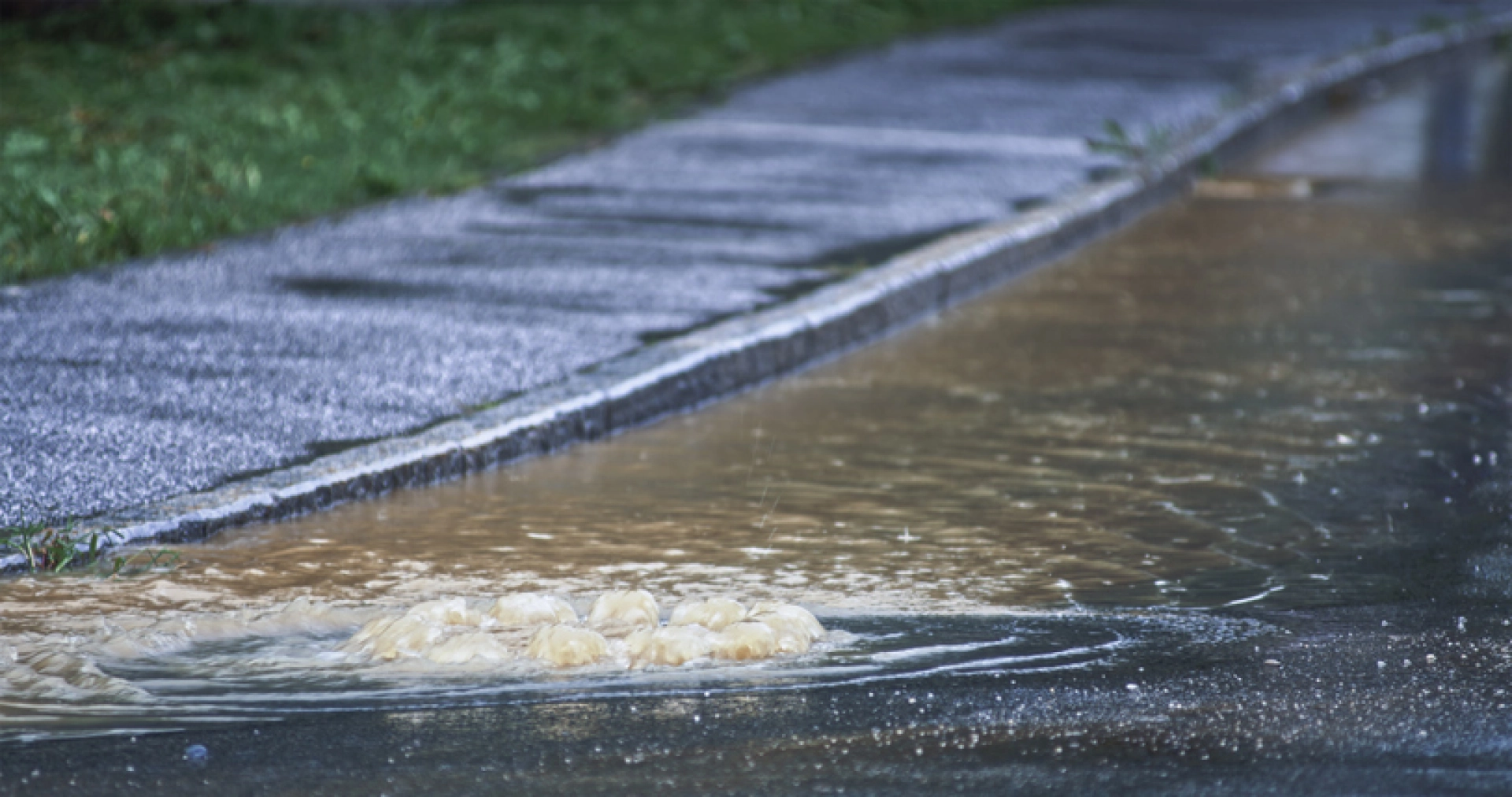
When sewers become overloaded or blocked, wastewater can back up into homes, gardens and streets. It is unpleasant, hazardous and can cause significant damage to property.
Given that 84% of Hull’s surface water flows into combined sewers – which carry both rainwater and sewage – the system is already under pressure during heavy rainfall. Blockages caused by household waste make the problem significantly worse.
What you can do:
- Never pour fats, oils or grease down the sink – let them cool and put them in the bin instead.
- Only flush the three Ps down the toilet: pee, poo and paper. Wet wipes, cotton pads and other items block sewers – even if the packet says “flushable”.
- If you suspect a sewer issue, contact Yorkshire Water to investigate.
Groundwater flooding
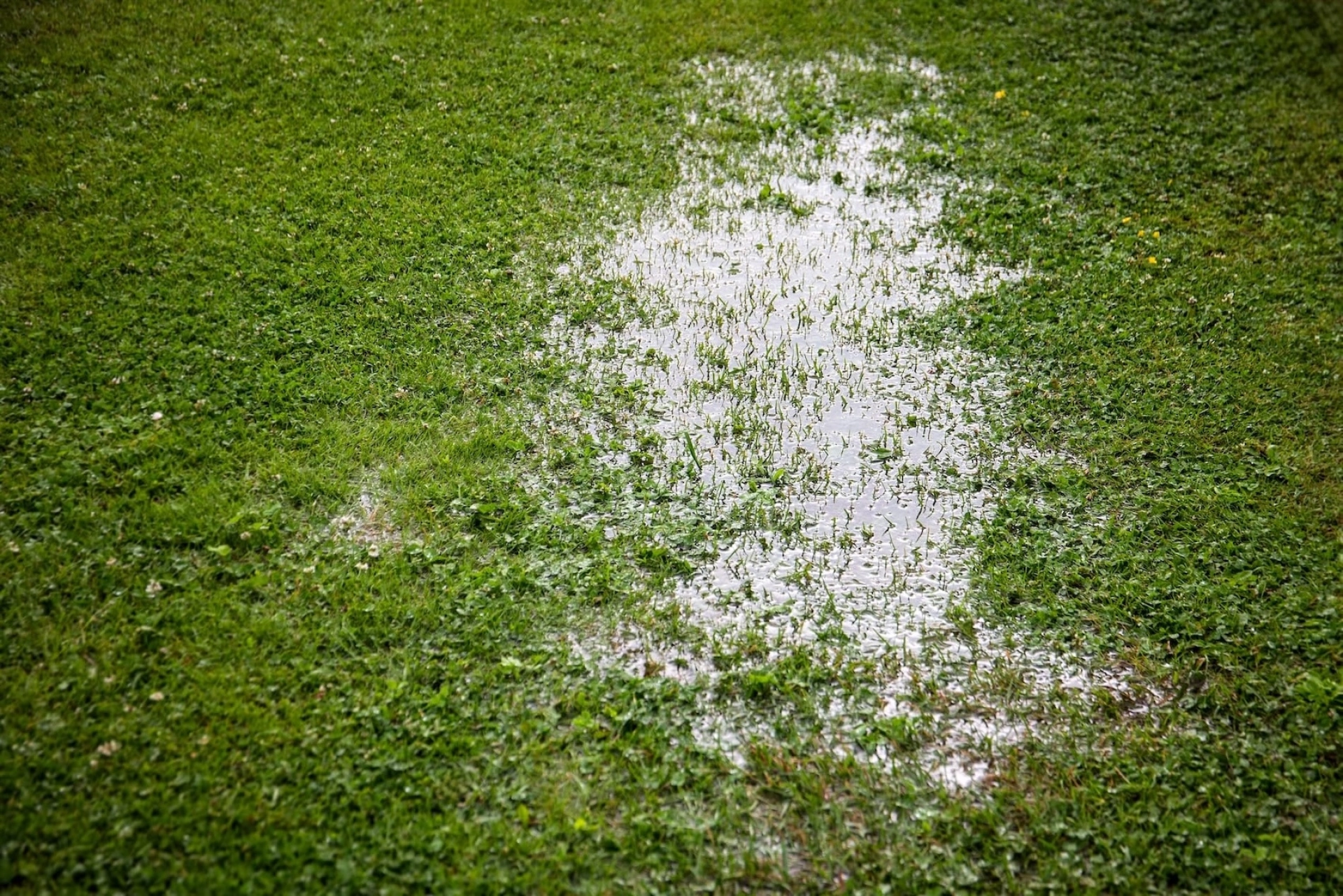
Groundwater flooding occurs when the water table rises after prolonged periods of rainfall. Water seeps up through the ground, through floors or into basements – often in areas that appear to be nowhere near a river or drain. It can be slow to arrive and slow to recede, making it particularly disruptive.
In low-lying areas of Hull and the East Riding – including parts of East Carr and Orchard Park, which sit below sea level – groundwater is a particular concern.
What you can do:
- If you have a basement or cellar, consider installing a sump pump or other protective measures.
- Raise electrical sockets above floor level where possible.
- Store valuables on raised shelves or upper floors.
Drainage and ditch flooding
Blocked or poorly maintained drains, ditches and culverts can cause localised flooding quickly – particularly in rural and semi-rural parts of the East Riding. Unlike river or tidal flooding, this type can often be prevented with regular maintenance.
What you can do:
- Clear drains regularly and remove leaves, debris and silt
- Keep ditches and culverts on your land free of weeds and rubbish
- Use drain covers to catch leaves before they cause blockages
- Talk to neighbours about shared ditches or culverts – flooding rarely respects property boundaries
- If you notice slow drainage or bad smells, arrange a professional drain inspection before the problem gets worse
Being prepared for any type of flooding
Sometimes flooding does not fit neatly into one category – or several types of flooding happen at once, as they did in 2007. Whatever the cause, there are steps that will help you stay safer.
Despite the risks, only 16% of people in Hull feel prepared for a flood. It does not take much to change that.
General steps everyone should take:
- Move important belongings, documents and electronics upstairs
- Know where your stopcock is and how to turn off your gas and electricity
- Keep an emergency grab bag ready – include a torch, phone charger, medicines, spare clothing and key contact numbers
- Sign up for free flood alerts so you always have advance warning
Frequently asked questions
There are six main types of flooding that can affect homes and businesses in the UK: river flooding, tidal and coastal flooding, surface water flooding, sewer flooding, groundwater flooding, and drainage or ditch flooding. In Hull and East Yorkshire, all six are relevant – which is what makes flood risk here particularly complex.
Surface water flooding is the most significant risk for many Hull residents. Because 84% of surface water flows into combined sewers and 100% of the city relies on pumped drainage, even moderate rainfall can overwhelm the system quickly. Tidal flooding from the Humber is also a major risk, particularly for properties close to the estuary.
River flooding happens when a watercourse overflows its banks after sustained heavy rain or snowmelt, affecting nearby land and properties. Surface water flooding happens when rainfall is so intense it cannot drain away fast enough – regardless of proximity to a river. You can be at risk of surface water flooding even if you live miles from any watercourse.
Yes. Surface water, sewer and groundwater flooding can all affect properties with no connection to rivers or the coast. In fact, surface water flooding is one of the fastest-growing flood risks in urban areas across the UK. Checking your flood risk – including surface water risk – is important for all residents, not just those near water.
If sewage is backing up into your home or garden, contact Yorkshire Water immediately. Avoid contact with the water where possible, as it may contain harmful bacteria. Document any damage with photos for insurance purposes. To help prevent sewer flooding in future, only flush the three Ps – pee, poo and paper – and never pour fats or oils down the sink.
Groundwater flooding is caused by rising water tables rather than rainfall directly entering a property or overflowing from a watercourse. It tends to develop slowly over weeks of sustained wet weather and can be very difficult to manage once it starts. It is also slow to recede. Standard flood barriers are often less effective against groundwater – specialist advice on property protection measures is recommended for those in high-risk areas.
The Environment Agency’s free online flood map shows your risk from river, tidal and surface water flooding. You can also sign up for free flood alerts tailored to your location. The Living With Water website has further information on the specific types of flooding that affect Hull and the East Riding, along with advice on how to prepare.