Flooding and your community
When neighbours look out for each other, share information and plan together, the impact of flooding on everyone is reduced.
This page is about how you can help others – whether that is checking on a vulnerable neighbour, helping your community group or organisation prepare a flood plan, or getting more involved in flood resilience work across Hull and the East Riding.
Looking out for your neighbours
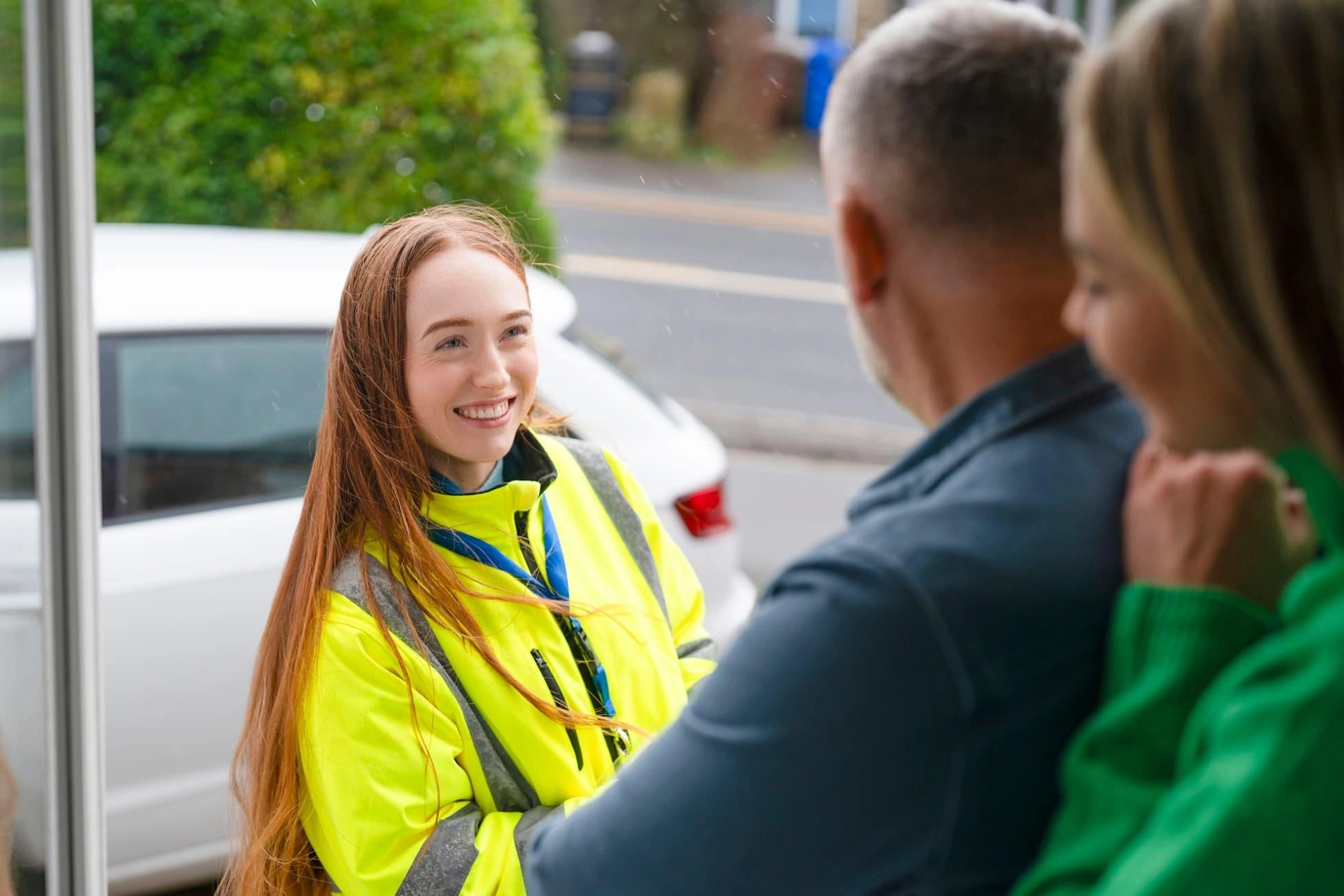
During a flood, some people need more support than others. Elderly residents, people with disabilities, those living alone and people with young children may find it harder to act quickly when a flood warning is issued. A simple check-in from a neighbour can make a real difference.
Here are some practical ways you can help:
- Check whether your neighbours have signed up for free flood warnings – and if not, help them to do so
- Share information about flood alerts when warnings are issued in your area
- Offer practical help – moving belongings upstairs, helping with sandbags or simply being a point of contact during a flood event
- After a flood, check in on those who may be struggling with the physical or emotional aftermath
Registering vulnerable people for extra support
If you know someone who would need extra help during a flood – whether due to age, disability, health or other circumstances – there are two ways to make sure they are not overlooked.
Contact your local council
Both Hull City Council and East Riding of Yorkshire Council can add vulnerable residents to a list to receive extra support during flood events. Contact your local council directly to find out more.
Ask Floodline to send warnings on their behalf
You can ask Floodline to send flood warnings to a friend, relative or neighbour on your behalf. This is particularly useful for people who are not confident using technology or who may not receive alerts themselves. Call Floodline on 0345 988 1188 – they operate a 24-hour service.
Preparing your community group or organisation
If you are responsible for an organisation – such as a school, hospital, care home, community centre or voluntary group – you can prepare a community flood plan. This sets out how your organisation will respond if flooding affects your premises, your staff or the people you support.
The UK Government provides a free flood plan template specifically for communities and groups, with guided sections and checklists to help you cover all the key areas.
Key areas to cover in a community flood plan include:
- Who is responsible for monitoring flood warnings and communicating with staff and members
- Evacuation procedures and safe routes for your premises
- How you will support any vulnerable people in your care
- Arrangements for protecting equipment, records and supplies
- Contact details for local emergency services and council flood teams
- How you will communicate with the people you support during and after a flood event
Sharing flood information in your community
One of the simplest and most effective things a community can do is make sure everyone has access to the right information. Consider:
Sharing flood warning sign-up information via community noticeboards, WhatsApp groups or social media
Printing and distributing Living With Water flood advice leaflets to neighbours who may not be online
Raising awareness of flood risk at community group meetings, faith groups or local events
Encouraging neighbours to build their own flood plans and flood kits before flood season
Useful resources for community flood preparation
Government community flood plan template
Discover more
East Riding of Yorkshire Council flood guidance
Discover more
Hull City Council flood information
Discover more
National Flood Forum - community support
Discover more
Back to Prepare for Flooding
Prepare for flooding
Back to Flood Advice
Flood Advice
Become a Living With Water Ambassador
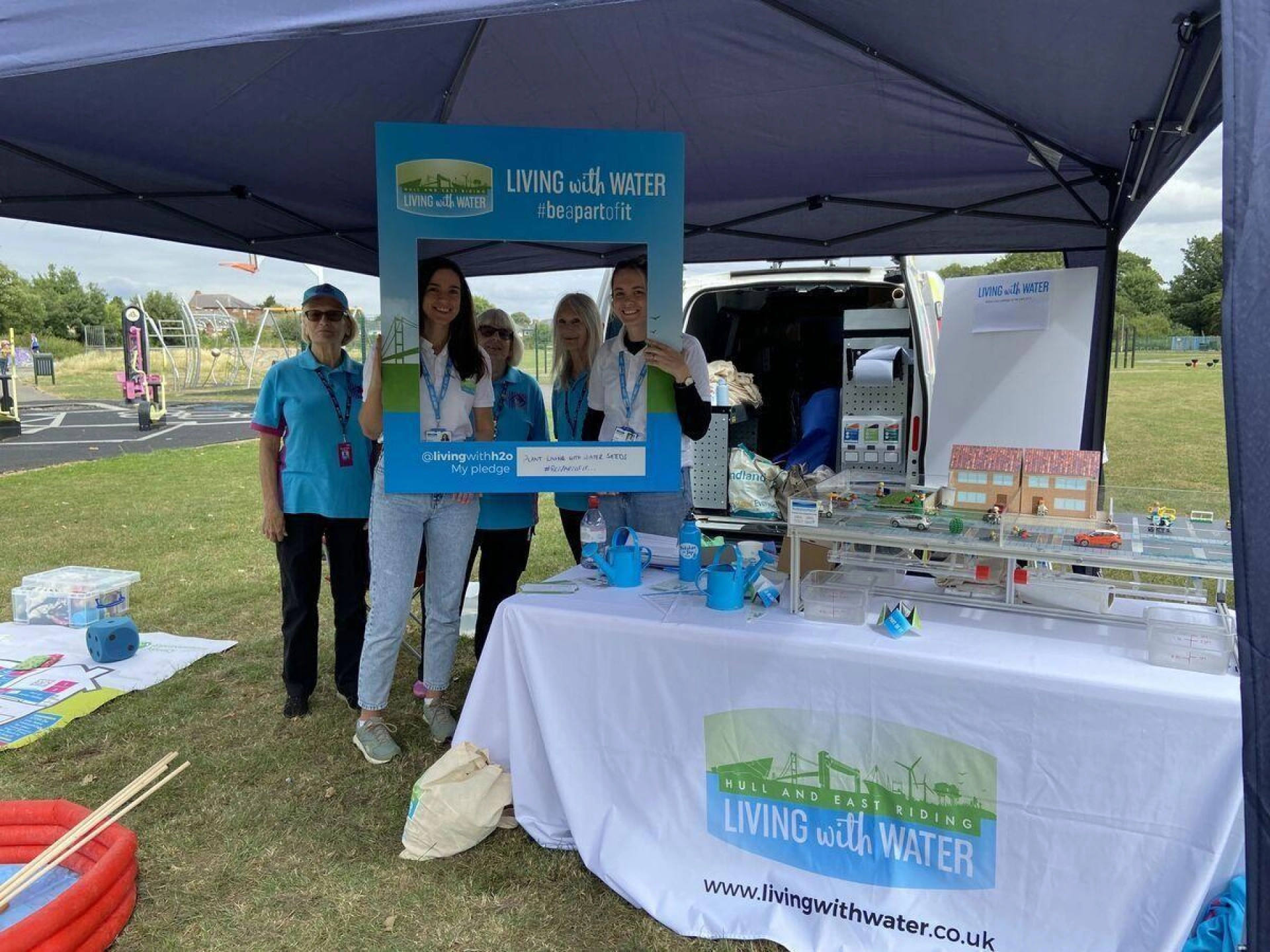
Living With Water works with a network of community ambassadors across Hull and the East Riding – local volunteers who help their neighbours understand flood risk and encourage people to prepare. It is a rewarding way to make a real difference in your community.
Frequently asked questions
You cannot access the register yourself, but you can contact your local council – Hull City Council or East Riding of Yorkshire Council – to ask about adding someone you are concerned about. You can also ask Floodline on 0345 988 1188 to send flood warnings directly to a friend or neighbour on their behalf.
A community flood plan sets out how an organisation or community group will prepare for and respond to flooding. If you run or are responsible for any premises or group that could be affected by flooding – a school, care home, community hall, faith group or sports club – having a plan in place is strongly recommended. The Government provides a free template to help you get started.
If you are able to safely check on them, do so – a knock at the door or a phone call can be invaluable. If you are concerned for their immediate safety, call 999. For non-emergency support and advice, contact your local council or call Floodline on 0345 988 1188.
Yes. Living With Water works with community groups, schools and local volunteers across Hull and the East Riding. Our ambassador programme offers a way to get more involved in helping your community prepare for flooding. See our Get Involved section for more details.
Both Hull City Council and East Riding of Yorkshire Council have flood response procedures in place and work with community organisations during flood events. It is worth making contact with your local council’s emergency planning team in advance to understand what support is available and how to access it. Having your own community flood plan will also help you work more effectively with the council during an emergency.
Floodline is the Environment Agency’s 24-hour telephone service for flood information and warnings. You can use it to sign up for flood alerts, check current flood risk in your area, and arrange for warnings to be sent to others on your behalf. Call 0345 988 1188.