The Challenge
Why Orchard Park needed action
Orchard Park was one of the areas worst affected by the June 2007 floods when more than 1,000 homes on the estate were damaged. Its position at the head of Hull's sewer network means that when rain falls heavily in the wider area, Orchard Park is at risk. Surface water ran off surrounding land and quickly overwhelmed local watercourses and sewers, leading to roads and homes being flooded as water pooled in low-lying spots across the neighbourhood. In many cases, homes sit below the level of adjacent roads and open spaces, making them especially vulnerable when the drainage system reaches capacity.
The underlying challenge is one shared across Hull and the East Riding. The region's topography means surface water cannot easily drain away, and must be pumped out. Water that enters the sewer system moves slowly, backing up during storms rather than flowing through. Building bigger sewers would bring significant disruption, and we’d still face the same fundamental problem – without gravity, water simply won't move fast enough.
What Orchard Park needed was somewhere for the rainwater to go, with managed storage that could hold excess water during heavy rainfall and release it gradually once the storm had passed.
The Solution
Sustainable drainage in the heart of the community
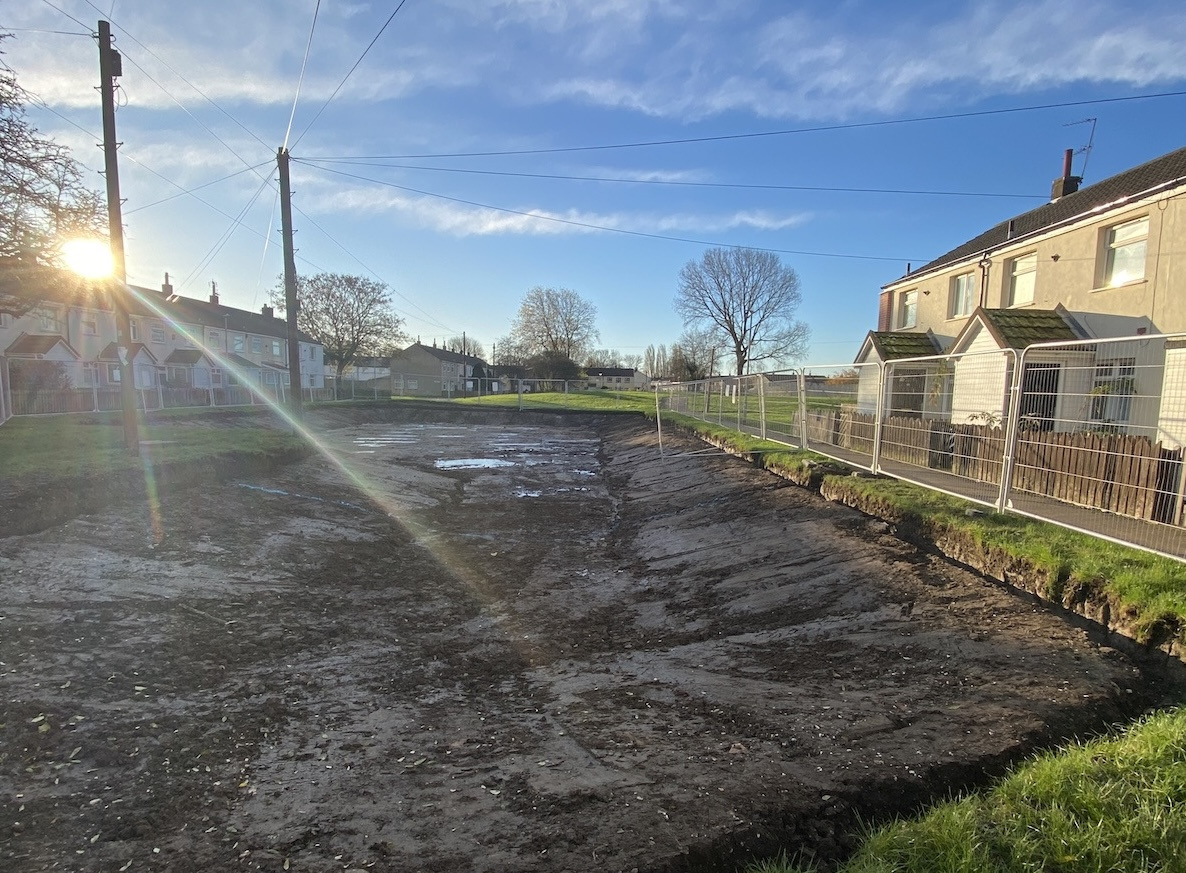
Our approach at Orchard Park focused on retrofitting SuDS into existing green spaces.
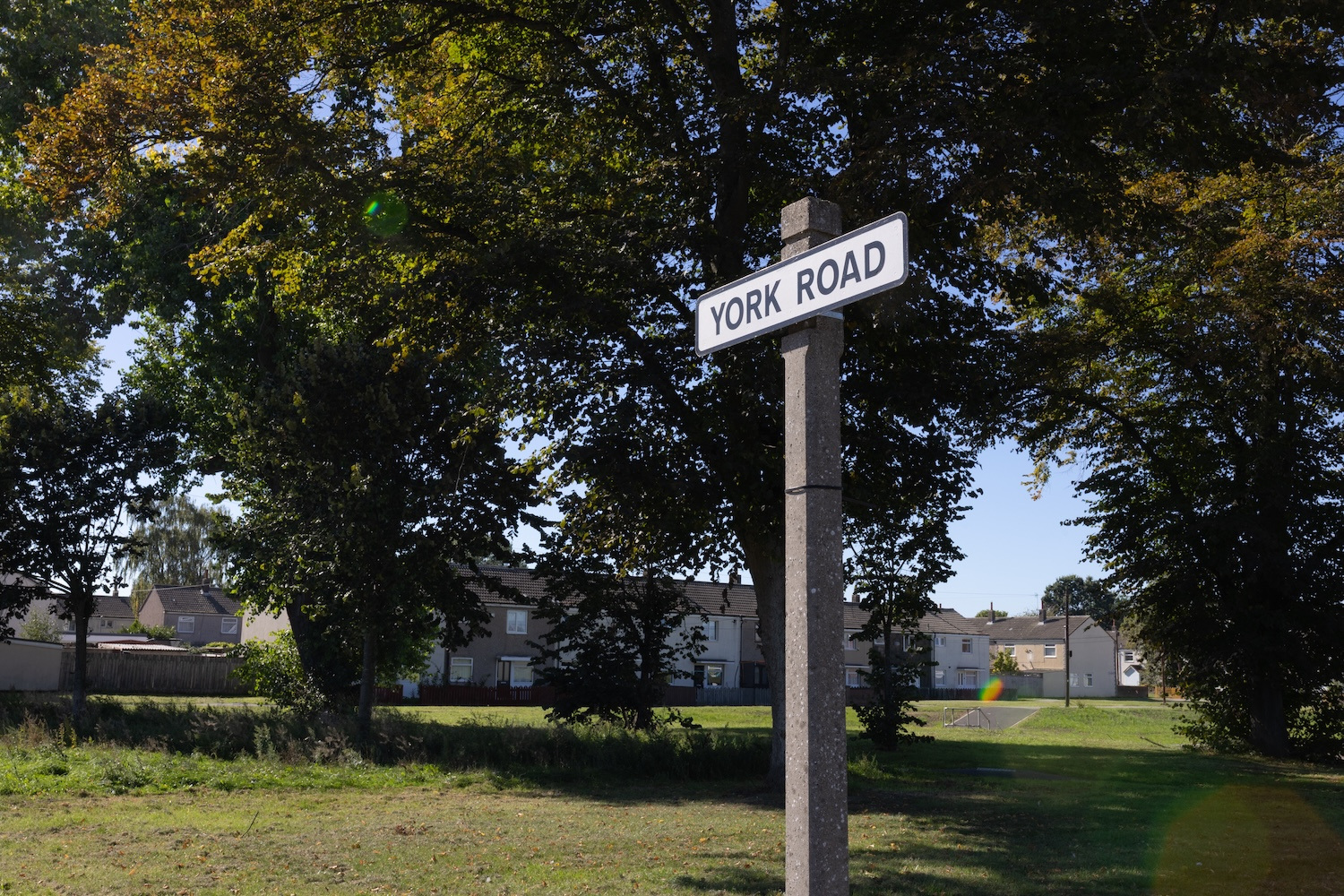
Working with MGroupWater Services, schemes have been installed in York Road and Orchard Park Road, each hydrologically modelled to deliver the greatest possible benefit to the surrounding area.
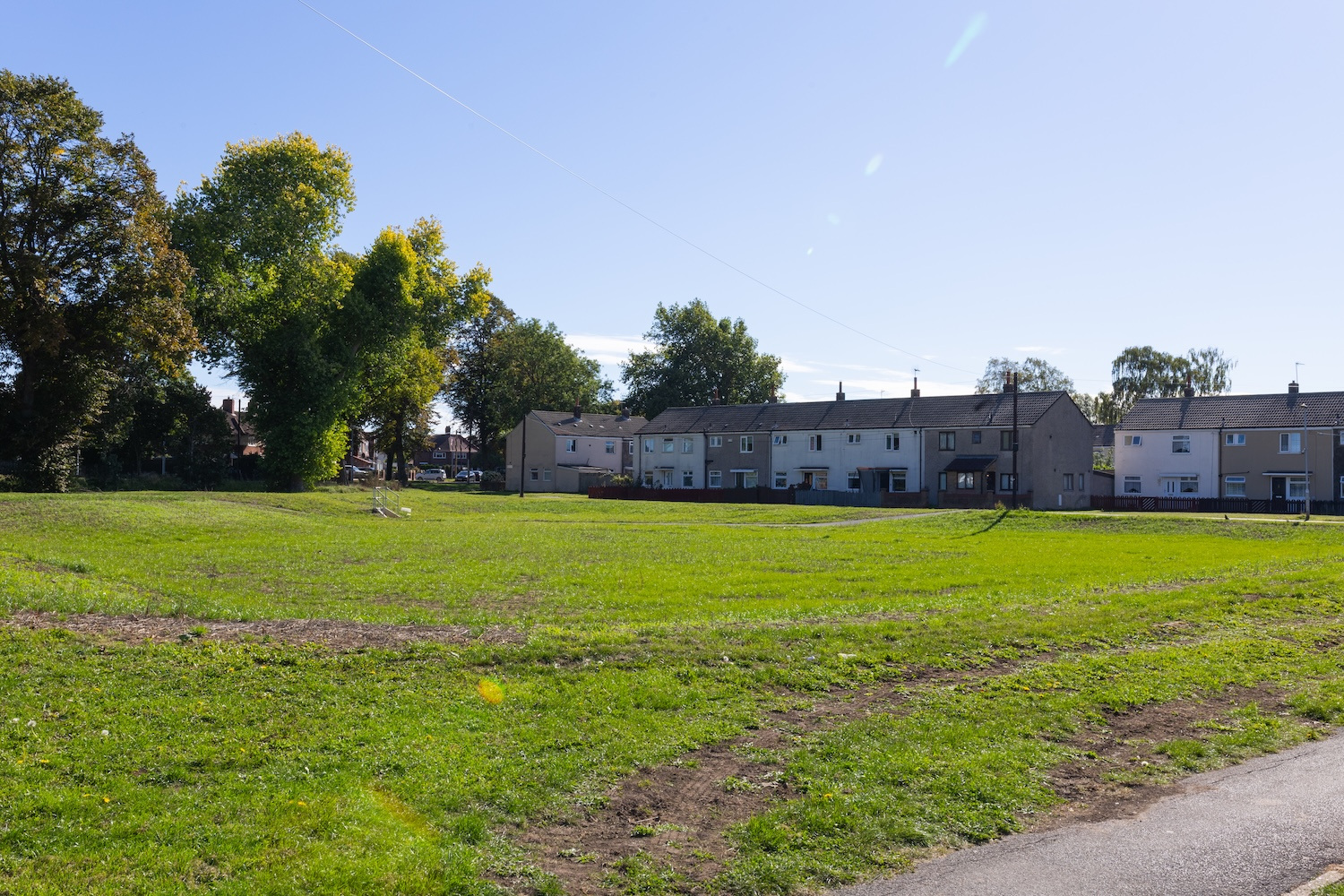
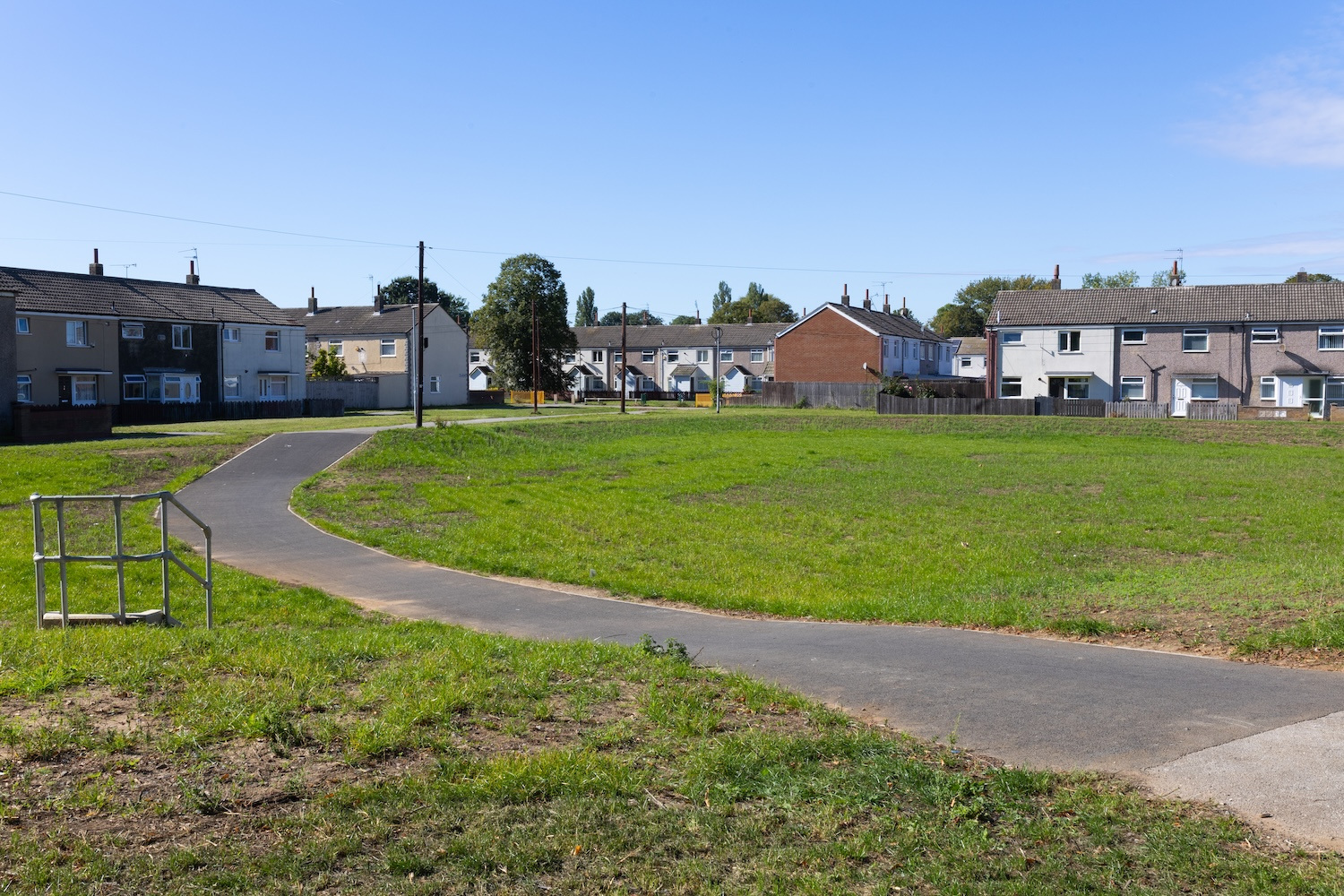
Open spaces have been adapted to serve as detention basins during heavy rainfall, storing excess water at times when it would otherwise overwhelm the sewer network. When rainfall is at normal levels, those spaces remain available for everyday community use.
These spaces have also been planted with varying mixes of grass, wildflowers, and moisture-resistant plants, increasing the biodiversity in the area and further improving drainage.
1,700m³
of water stored – that’s 17 double decker buses!
3
detention basins planted with diverse seed mixes
Gallery
The Solution
What’s changed for people living in Orchard Park
Residents in Orchard Park now benefit from increased flood resilience for their communities without disruption to their daily lives. By focusing our SuDs schemes in underused grass areas, playing fields and open spaces, we’ve been able to add active flood resilience infrastructure without changing the streets and homes around them. These areas continue to be used everyday as normal before springing into action during periods of heavy rainfall.