The Challenge
Why healthy soil matters for flood risk
The communities of Hull and the East Riding don't only face flood risk from the sea and the rivers that surround them. When heavy rain falls across the agricultural land of the East Yorkshire Wolds and the wider Humber catchment, water that can't be absorbed by the soil flows rapidly downhill, adding to the volumes that overwhelm drainage systems and raise flood risk in towns and villages below.
Soil health is at the root of the problem. Over the past 60 years, soil organic matter across UK agricultural land has fallen by 50%. Healthy soil acts like a sponge, absorbing and holding rainwater and releasing it slowly.
Degraded soil does the opposite – it sheds water quickly, accelerating runoff into watercourses and ultimately into the sewer systems that communities depend on. Restoring that capacity across even a fraction of the region's farmland could make a meaningful difference to flood risk downstream.
The Solution
Pop up rainforests and cover crops
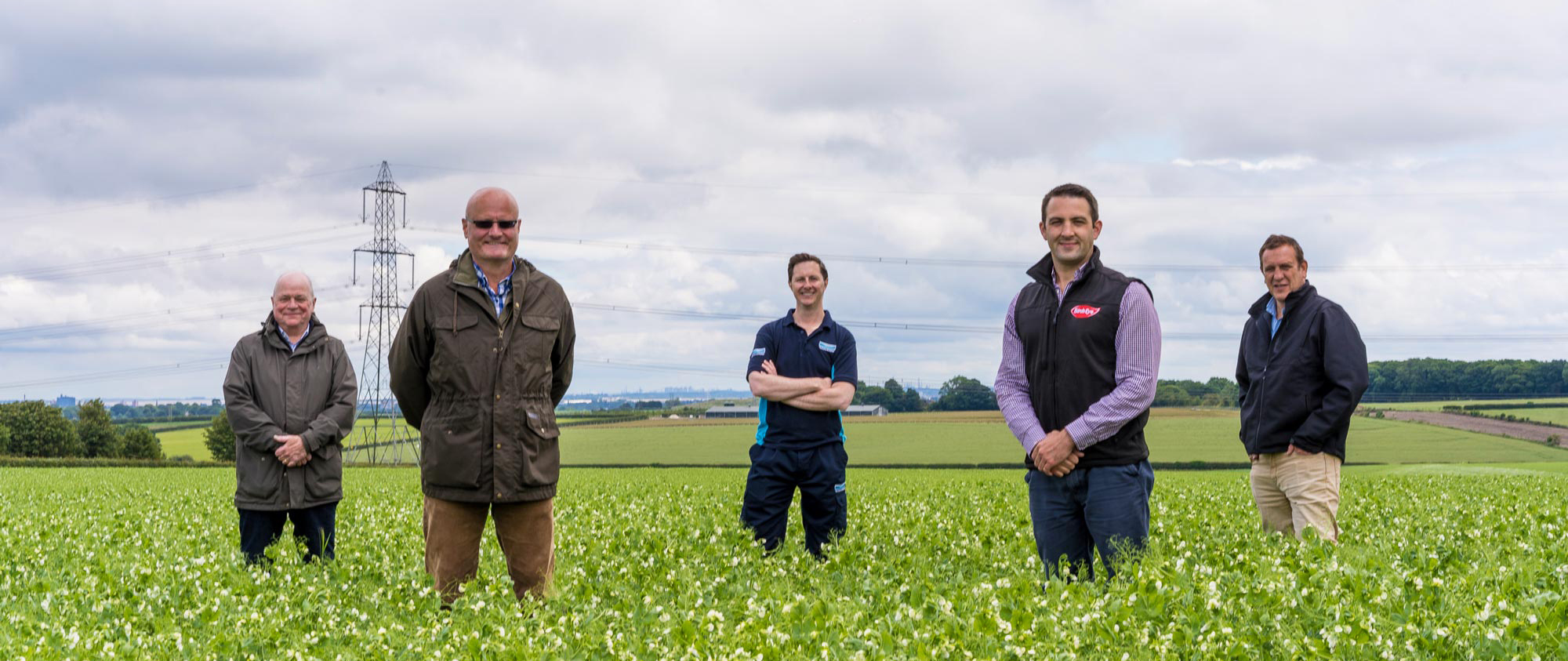
The Sustainable Landscapes Humber Project brings together Yorkshire Water, Birds Eye, Future Food Solutions, and the Universities of Hull and Teesside in a collaboration with over 40 farmers from across East Yorkshire and North Lincolnshire.
The approach centres on cover crops – plants grown in the gaps between harvesting one crop and sowing the next. Rather than leaving fields bare over winter, when soil is most vulnerable to compaction and erosion, farmers grow dense, varied mixes of plants that mimic the diversity and root structure of a natural ecosystem. The project describes these as "pop-up rainforests" that can transform the biology and structure of a field in a relatively short time.
The Solution
Soil organic matters doubled in five years
As cover crops grow and decompose, they rebuild soil organic matter. This improves the soil's ability to absorb and retain water. Research shows that achieving just a 1% increase in soil organic matter enables agricultural land to store an additional 200,000 litres of water per hectare. At landscape scale, across tens of thousands of hectares, that is a significant contribution to flood resilience.
The trial results to date are striking. Soil organic matter more than doubled in just five years, rising from 3% to over 6% – demonstrating that meaningful restoration of agricultural soils is achievable within a realistic timeframe and without taking land out of productive use.