Small changes in your garden can make a big difference
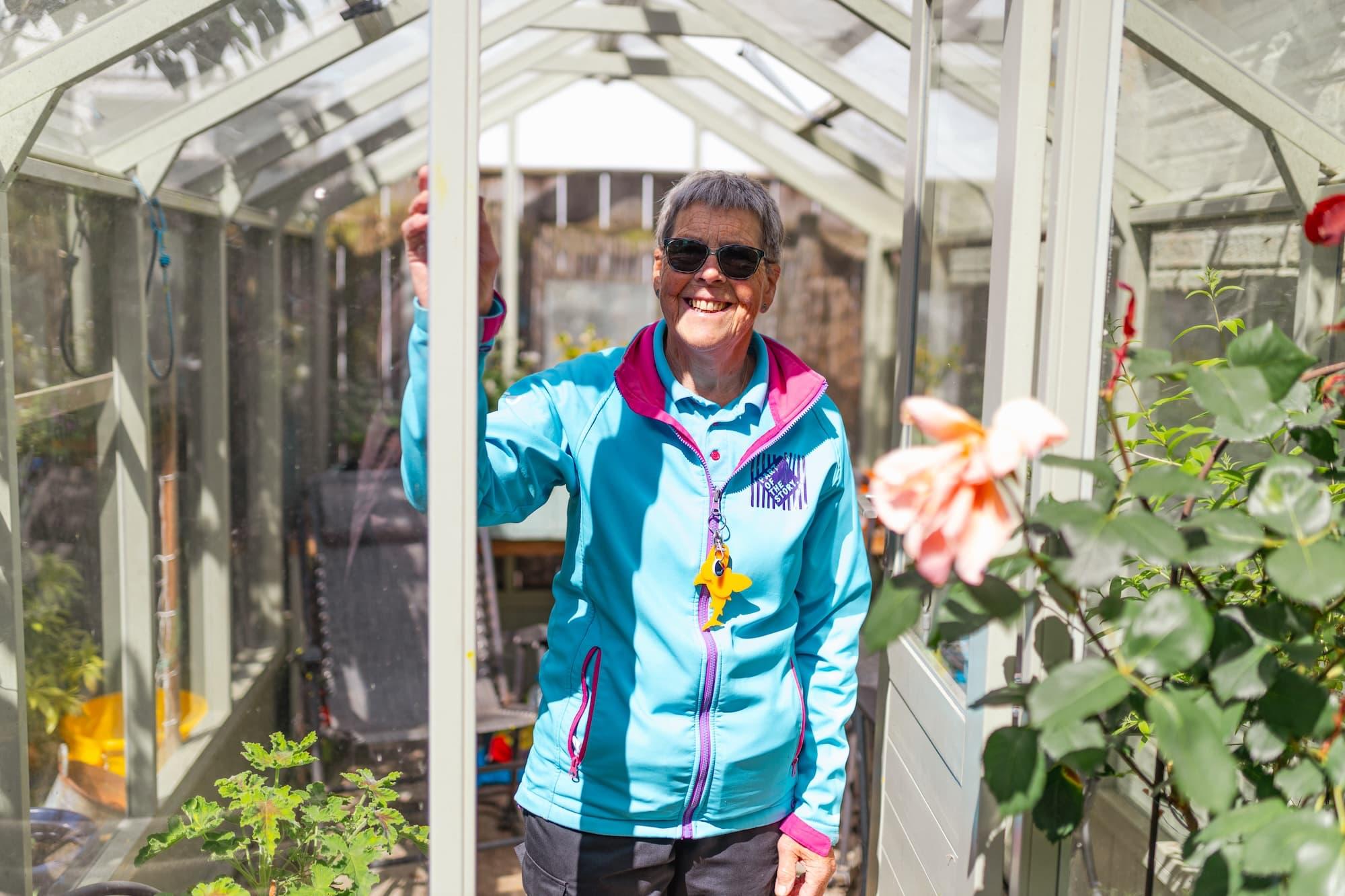
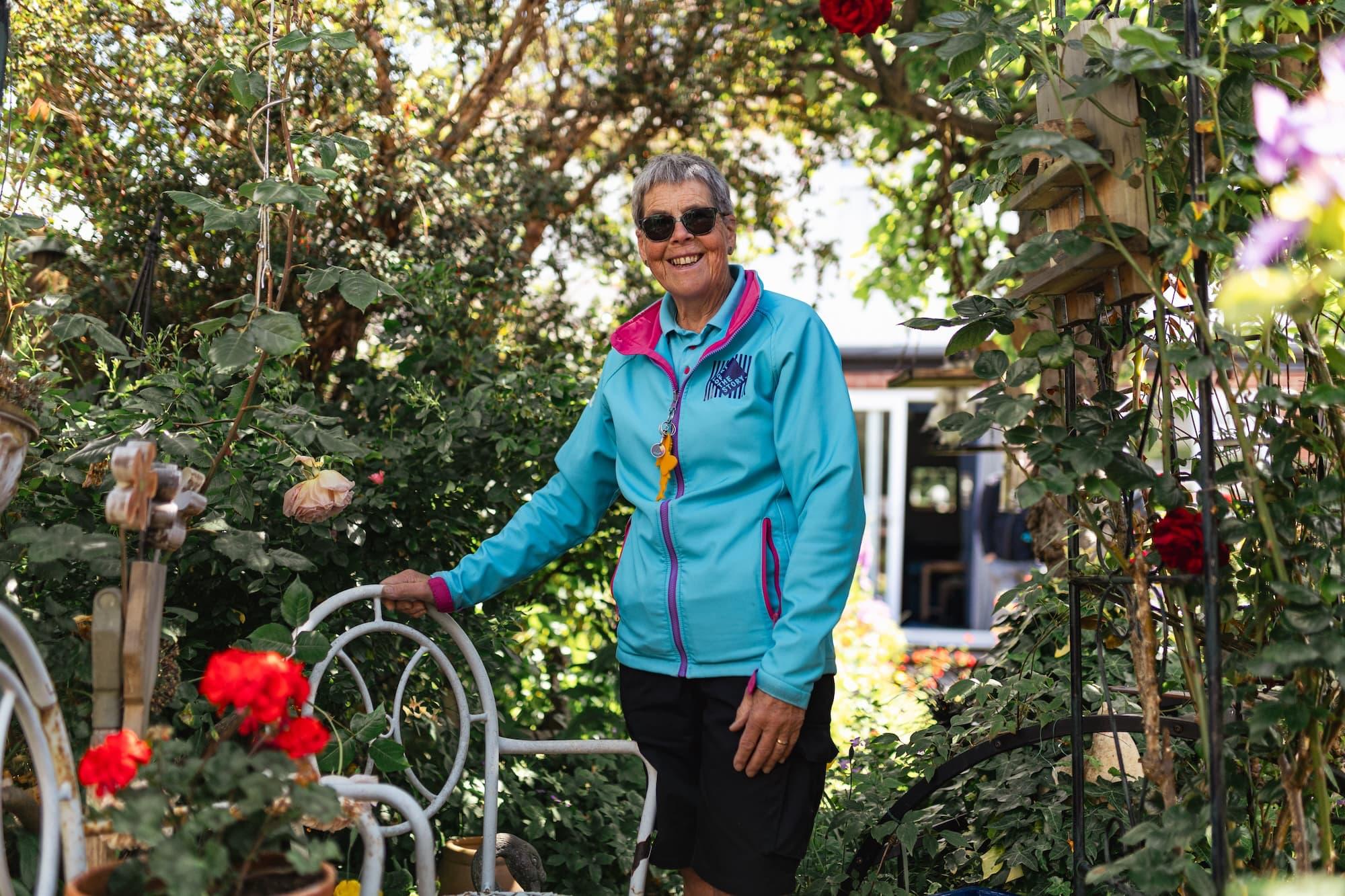
Living With Water ambassador and retired gardener Janet Bark spent decades advising clients on their gardens. Now she’s sharing her tips on how you can use your garden to help manage surface water.
Her advice is practical, affordable and works for gardens of all shapes and sizes.
Read through our top tips below.
Start with a water butt
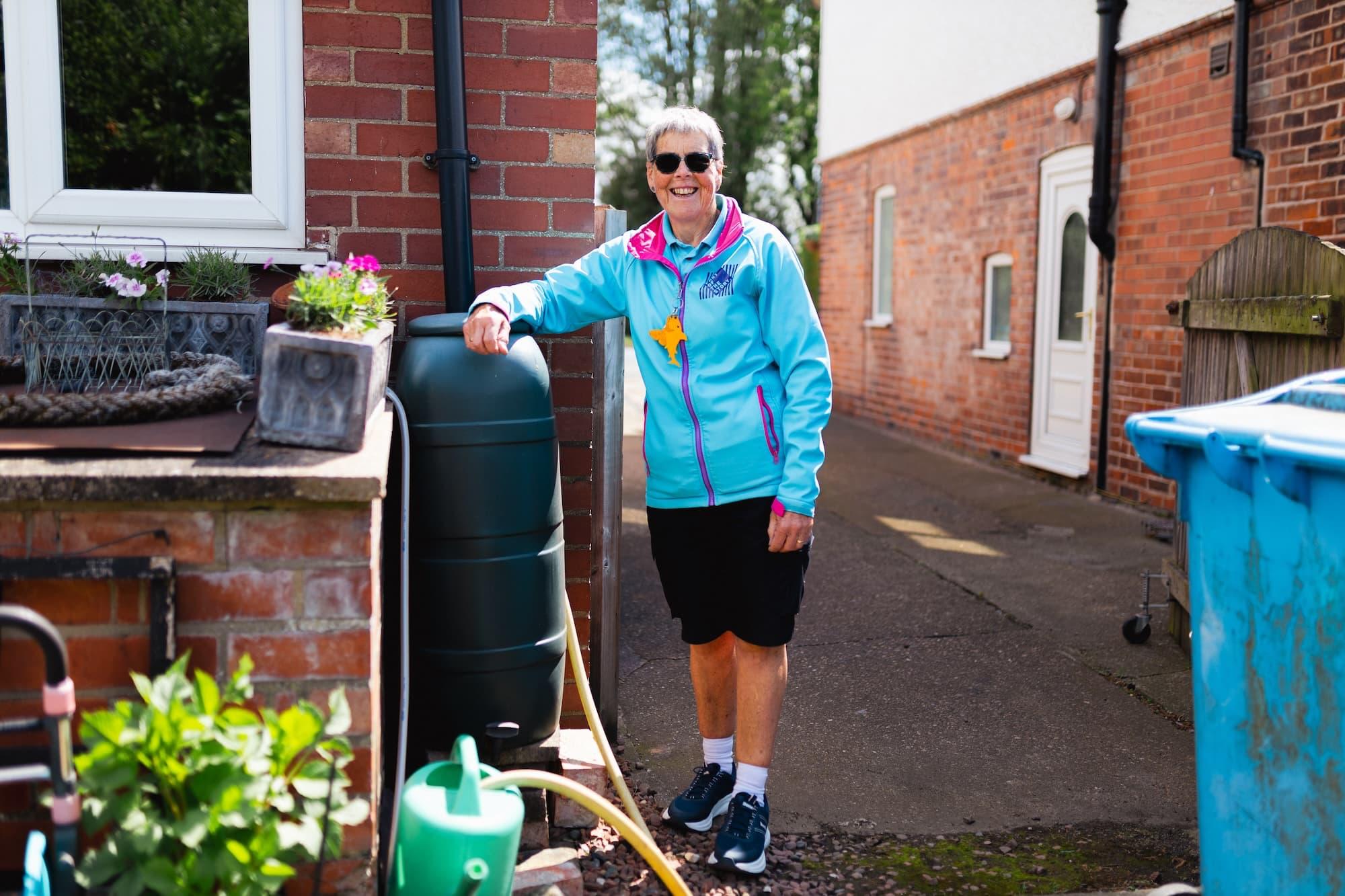
If you do one thing, make it this. A water butt connects to your downpipe and collects rainwater from your roof before it hits the ground and runs into the drain. That water is then yours to use in your garden whenever you need it.
It reduces pressure on the drainage system during heavy rainfall and helps to save water during drier spells.
Rethink your hard surfaces
Driveways and patios paved with concrete or solid slabs are among the biggest contributors to surface water runoff. When rain hits an impermeable surface, it has nowhere to go – so it flows straight into the drain or worse, towards your property.
Swapping hard surfaces for permeable alternatives makes a meaningful difference and can help ease the pressure on the drainage system.
Gravel is probably the easiest and most affordable option for driveways and pathways, while permeable paving blocks are another option to let water pass through and soak into the ground beneath.
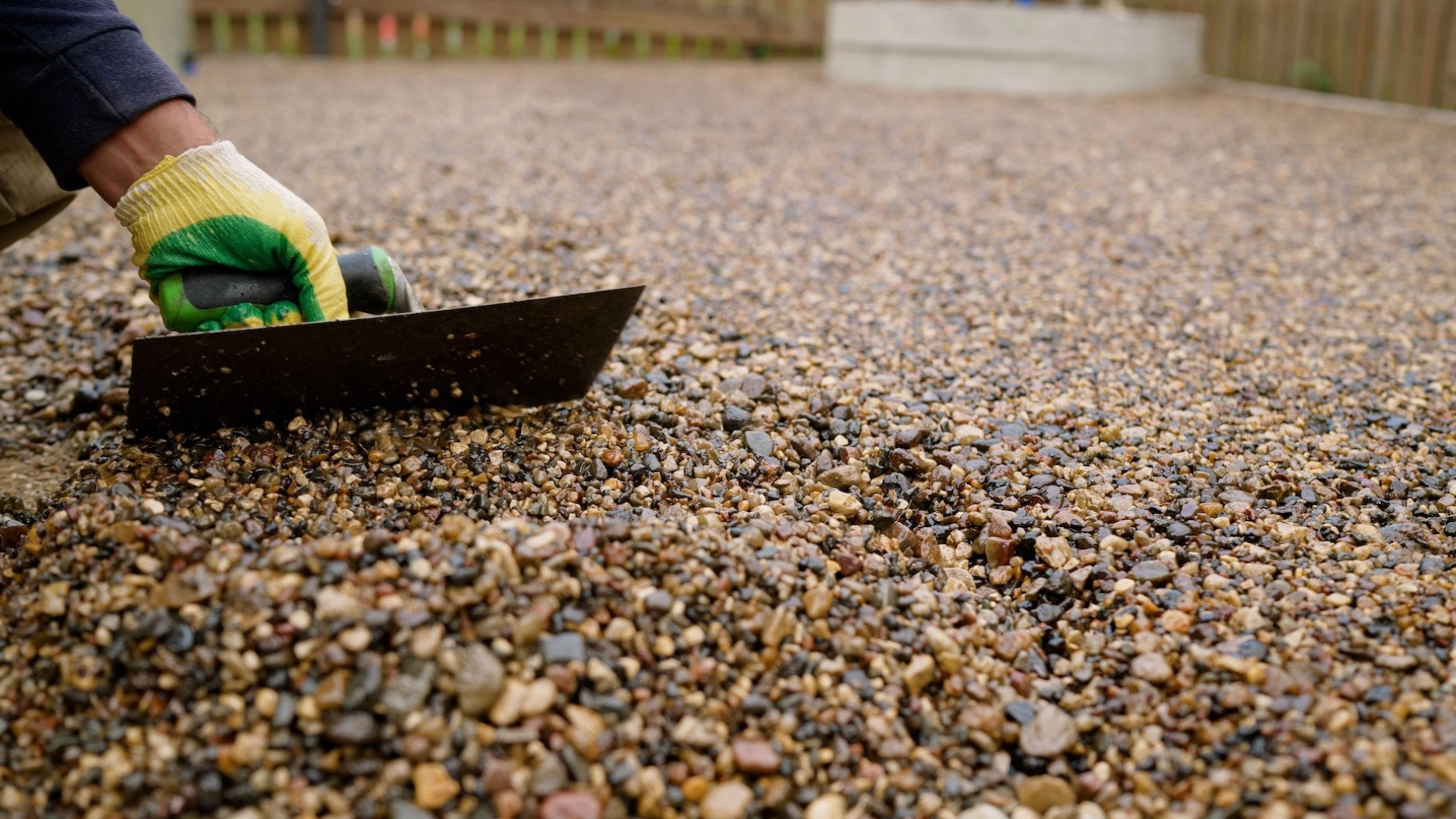
Even smaller changes help. Leaving gaps between existing paving stones and filling them with gravel or planting ground cover means water can find its way through rather than running off.
Create a rain garden
This is a shallow planted area designed to collect rainwater from a roof, driveway or patio and allow it to soak into the soil naturally. Done well, it's both functional and attractive as it works hard during heavy rainfall and looks good the rest of the time.
You don't need a large garden to make one work. Even a small dip in a border, planted with species that tolerate both wet and dry conditions, can absorb a meaningful amount of runoff.
Native plants like lavender, ornamental grasses and shrubs with deep root systems are all good choices.
Don't overlook pots and planters
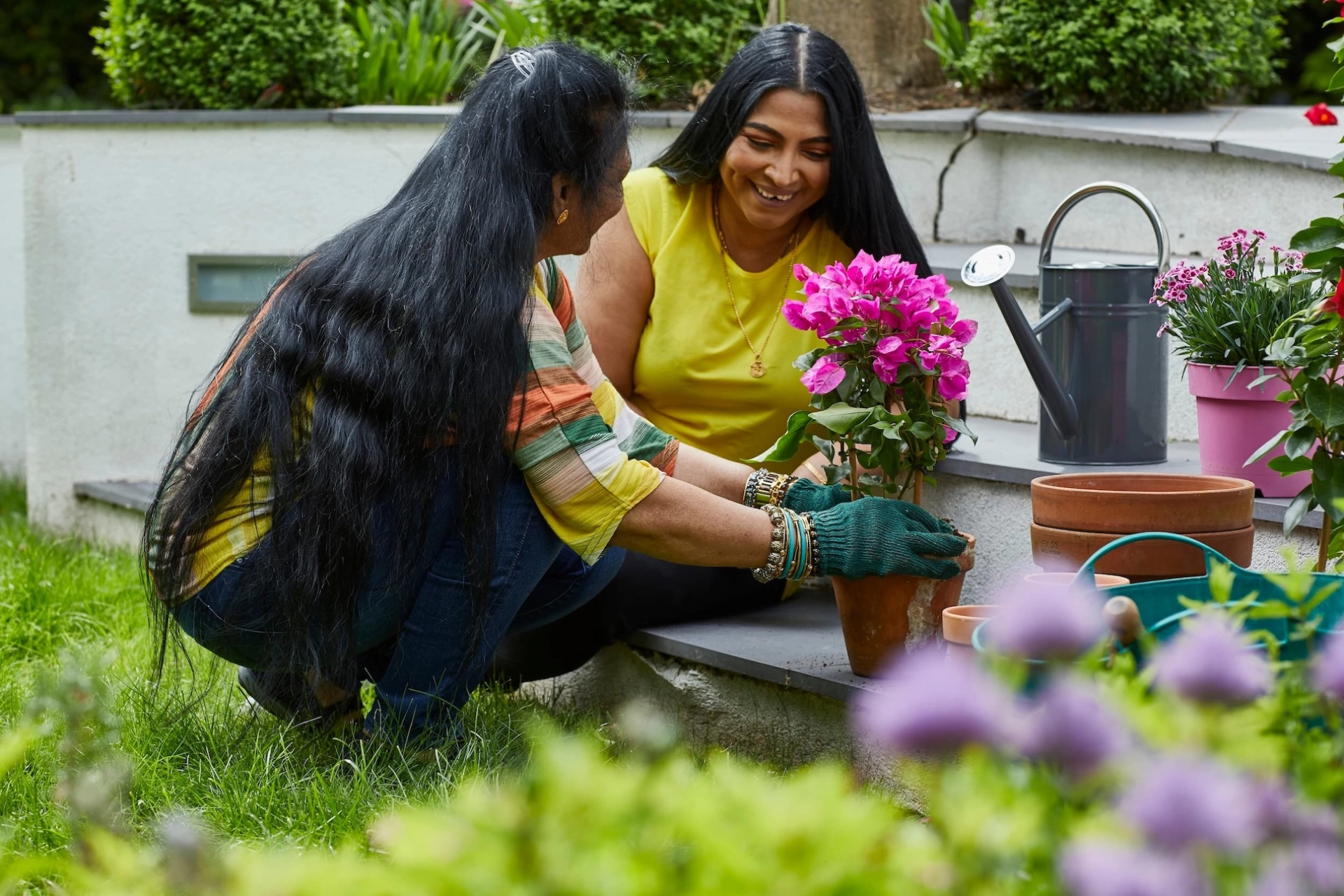
Many homeowners feel their gardens are too small to make a difference but that’s not the case. Adding potted plants to small gardens or terraces are a great way to add impact.
Pair a water butt with a collection of pots and you have a simple system that captures roof water, stores it and uses it to keep your plants healthy – with less water going straight to the drain and less reliance on the tap during dry periods.
It's a practical setup that works in the smallest of outdoor spaces.
A few more things worth doing
Beyond the main changes above, there are smaller steps that add up across a street or neighbourhood. Keeping drains and gulleys clear of leaves and debris means water can flow freely when it needs to. Choosing soil and compost with good organic matter helps your garden absorb water rather than shedding it. And where you can, let grass grow a little longer as it creates a cooler, spongier surface that holds more moisture than a closely cropped lawn.
Good for your garden. Good for your community. Good for you.
A more flood-resilient garden doesn't just help during heavy rainfall. Permeable surfaces and planted areas improve soil health over time, locking in nutrients and reducing erosion. Rain gardens and deeper planting attract pollinators and create habitat for birds and insects. Natural drainage filters out pollutants before they reach local watercourses.
And there's a simpler benefit too – more green space, more time outdoors, and a garden that feels alive whatever the weather. Research also consistently shows that spending time in green spaces has a positive effect on mental wellbeing. A garden that works harder for your street can also work harder for you.
Frequently asked questions
Installing a water butt is the simplest starting point. It captures rainwater from your roof before it reaches the drain, reducing pressure on the local drainage system during heavy rainfall. From there, swapping hard surfaces for permeable alternatives and adding plants with deep root systems will make a bigger difference over time.
Not at all. Even the smallest garden, terrace or courtyard can play a part. A water butt and a few well-chosen pots can capture and store a meaningful amount of rainwater.
Choose species that can tolerate both wet and dry conditions, as a rain garden needs to cope with both. Native plants tend to work well — lavender, ornamental grasses and shrubs with deep root systems are all good options. Deep roots help draw water down into the soil and stabilise the ground around them.
Permeable paving uses specially designed blocks or surfaces with gaps that allow rainwater to pass through rather than run off. Water is absorbed into the ground beneath, reducing the speed and volume of surface water entering the drain. It's a practical option for driveways, paths and patios – and unlike concrete, it doesn't contribute to runoff during heavy rain.
Living With Water has previously distributed 500 free water butts to households across Hull and the East Riding as part of our work to reduce surface water flooding across the region.
That scheme has now closed and we are no longer accepting applications. However, we may relaunch the programme in the future, so keep an eye on our Water butts page for any new opportunities.
SuDS stands for sustainable drainage system – a catch-all term for features that slow or store rainwater rather than sending it straight to a drain. Rain gardens, permeable paving, water butts and planted areas all count as forms of SuDS. You don't need a large space or specialist knowledge to create one. The tips on this page are all forms of small-scale SuDS you can introduce at home.
Individual garden changes won't prevent flooding on their own, but they contribute to the collective effort. The cumulative effect of small choices made in each household across a street or neighbourhood can add up significantly.