
At Living With Water, flood resilience and elevation schemes are a part of what we do.
From installing permeable paving to Rosmead Street in 2023 to placing sustainable drainage systems to Orchard Park, but not everything has to seem so complicated.
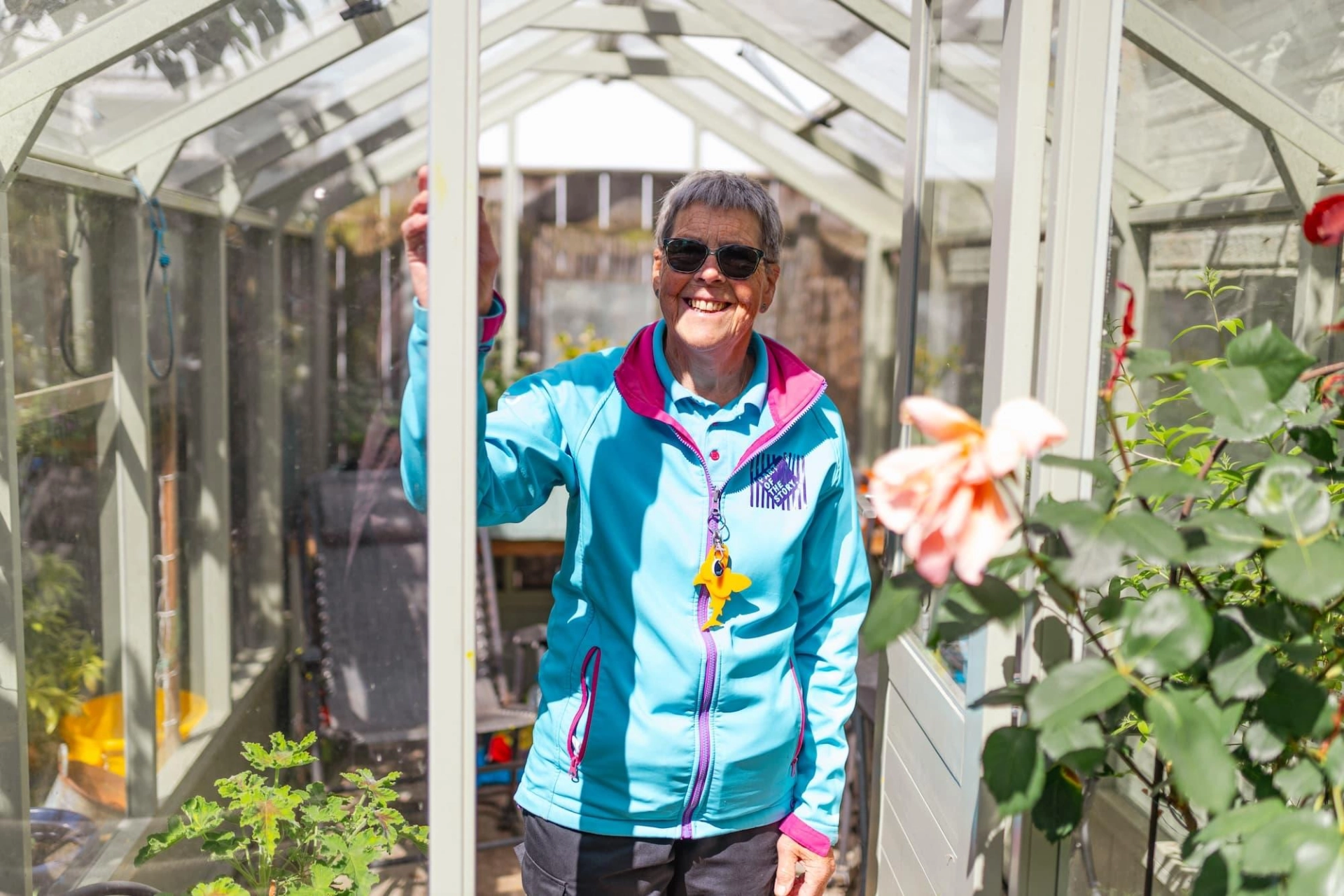
For our ambassador Janet Bark, a volunteer of ten years, her efforts originate closer to home – and she's shared some top tips on helping residents across Hull and the East Riding to move a step closer to flood resilience.
Embrace the wonky
For Janet, those cracks in driveways and pavers aren’t accidental. In fact, they’re a hidden gem for natural drainage.
Standard paving and tarmac that we see on roads and driveways is impermeable. This means that water cannot pass through it, leading to surface run off into drains and gullies. During heavy rainfall, too much water can cause these to become strained, leading to flooding.
But with each gap and crack, the impermeable material becomes more porous, with water now able to pass through into the ground below. From there, it can be absorbed by soil and filtered naturally through infiltration, which is a lot slower than you think!
So, if you’re thinking of fixing those cracks in your driveway, take a second to consider switching to more permeable options such as gravel, or just letting those cracks shine!
Soak, don’t run
Another simple and effective change Janet has made to her garden is a little higher up. Redirecting just one downpipe from your roof can allow roof runoff to filter into something more natural. For Janet, this is the flower beds in her front garden.
Standard drainpipes allow roof runoff to head straight for the sewer systems. During heavy rain, thousands of homes doing this simultaneously is a major driver of surface water flooding.
But for Janet, that volume of water is removed from the system entirely! With the soil already acting as a natural filter, the water soaks in gradually. And without that rainwater heading into the sewer, it reduces the risk of storm overflows that see wastewater released into rivers like the River Hull.
It also reduces your water bill, reducing the need for water cans and that cold water tap!
Grow your green thumb
Flowers and shrubbery may look pretty, but they’ve got an important job to do.
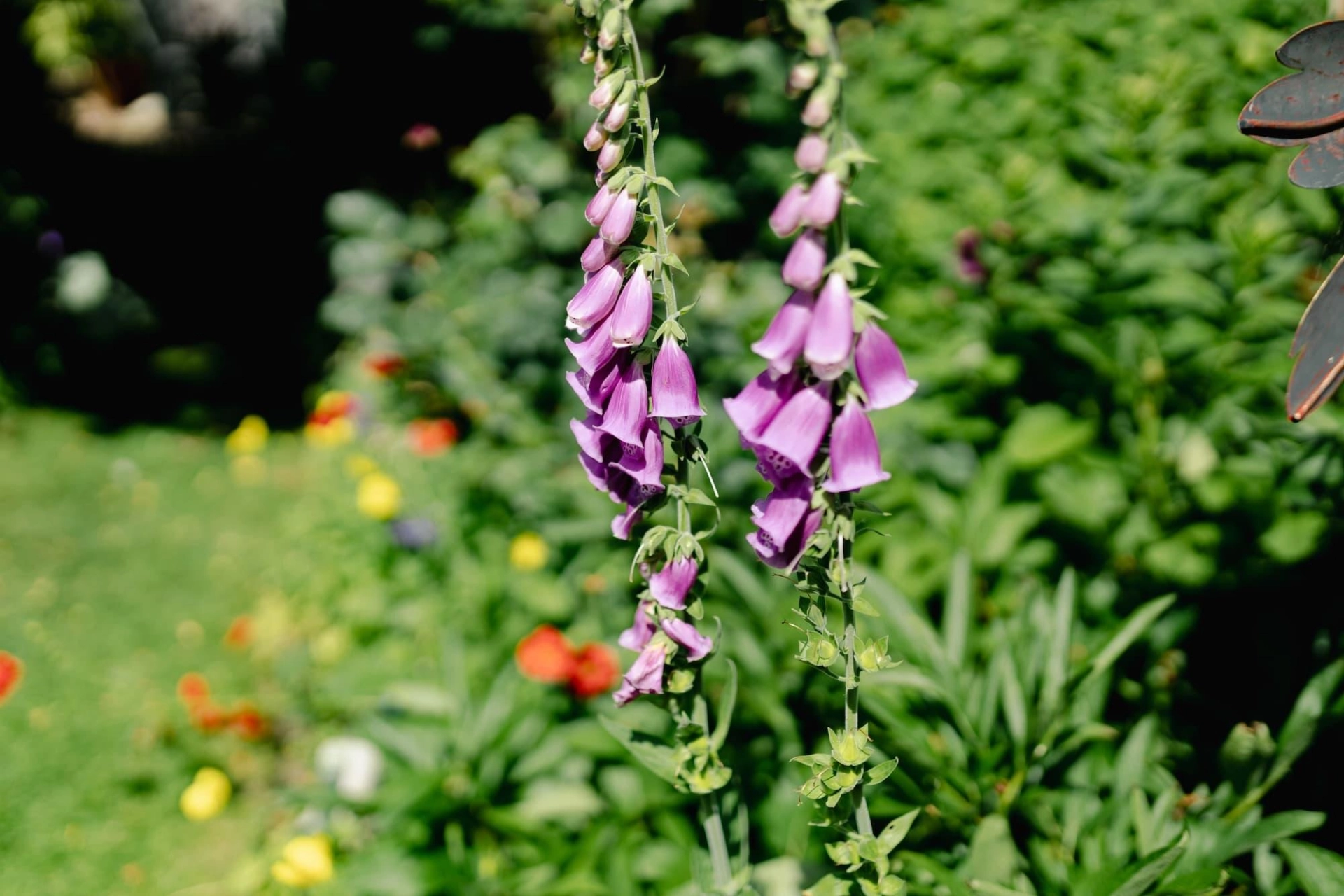
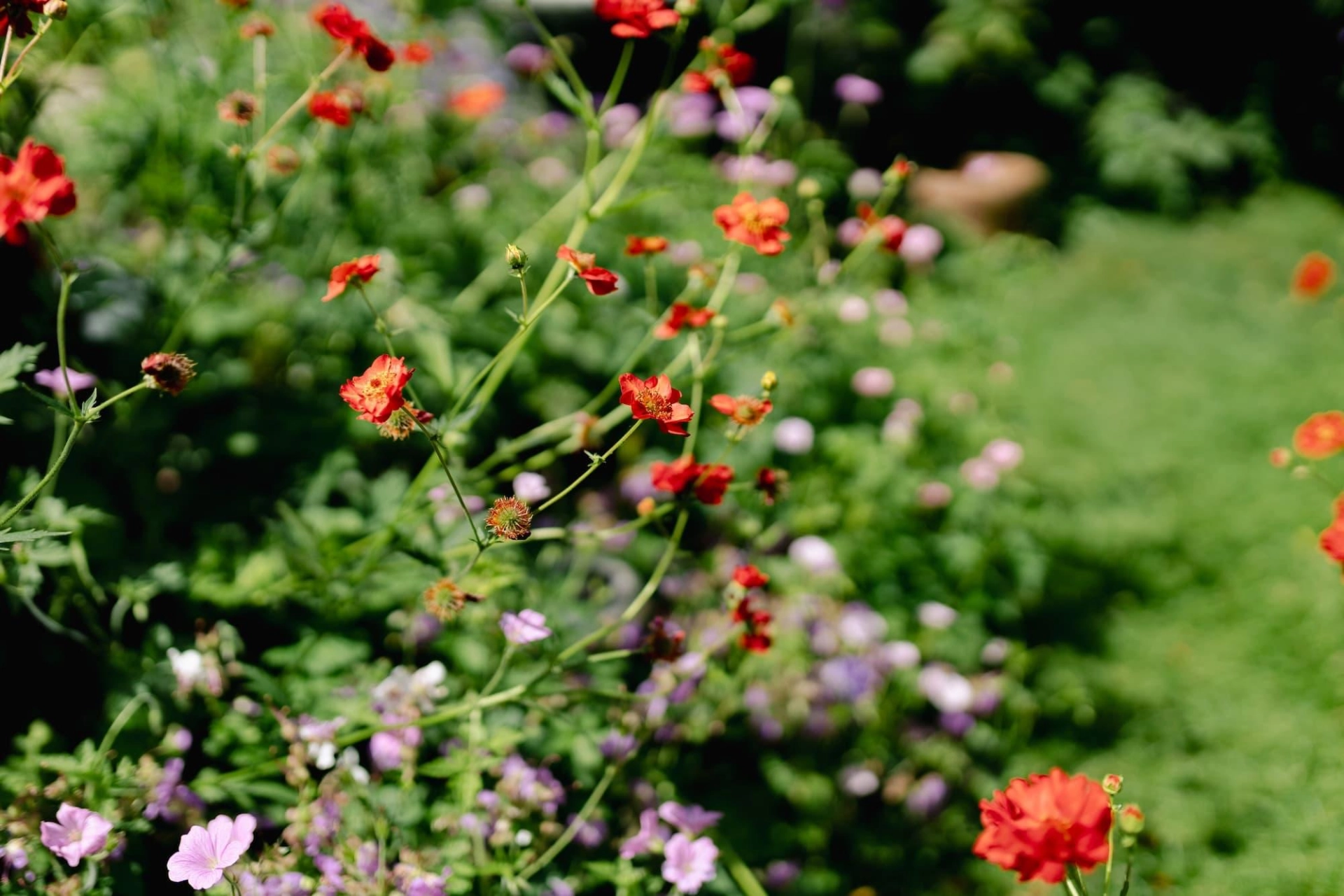
Soil and root systems soak up rainwater far more effectively than hard surfaces, reducing the runoff into drainage systems once again. With each plant root, channels are created in the soil that improve how deeply water can penetrate, avoiding it pooling on the surface and causing unnecessary puddles.
And on the more complex side, it reduces soil erosion, meaning that sediment is less likely to be washed into drains and waterways, combating blockages that lead to flooding.
As Janet says, not only can gardening increase our flood resilience, it contributes to positive mental health too!
Install a water butt
A water butt is a small but mighty storage system that blends right into your greenery! Janet has two of these tucked away in the corners of her garden, allowing handy access to excess rainwater.
Whether it’s a smaller water butt or one that could hold weeks’ worth of rain, all of them do their job. As Janet says: "You will not believe how much water you waste in a day going into the drains!"
As well reducing your water bill, it gives gardeners a store of natural rainwater to water your plants. There's a bigger benefit too, including less strain on water supplies during dry spells.
The bigger picture
While you implement Janet’s top tips into your home, why not discover more ways you could get involved, from earning your scout badge to getting stuck into our SuDS game and see just how big an impact a small change can make.