The Challenge
Why the school needed help
Bilton Community Primary School sits within a village that experienced some of the most severe flooding during the June 2007 floods. Like much of the East Riding, the area's flat topography means surface water has very little natural gradient to drain away. When rain falls faster than the drainage system can cope, water backs up and low-lying areas, including the school grounds, are among the first places it gathers.
The school also represented an opportunity that went beyond infrastructure. With thousands of young people growing up in one of the UK's highest flood-risk areas, building flood resilience here could do two things at once – reduce the risk of surface water reaching the building and its surroundings and help a generation of children understand why that work matters.
The Solution
SUDs designed by the people who use the space
Before a single drain was installed, our education team visited the school to work directly with Year 6 pupils. The session started with a lesson on the water cycle, exploring how little of the world's water is usable and why managing rainwater carefully is so important for communities like those in Hull and the East Riding.
Students then took on the challenge of designing green spaces for their own school grounds. Their ideas fed directly into the final scheme, which was developed by principal engineers at Stantec.
What was installed
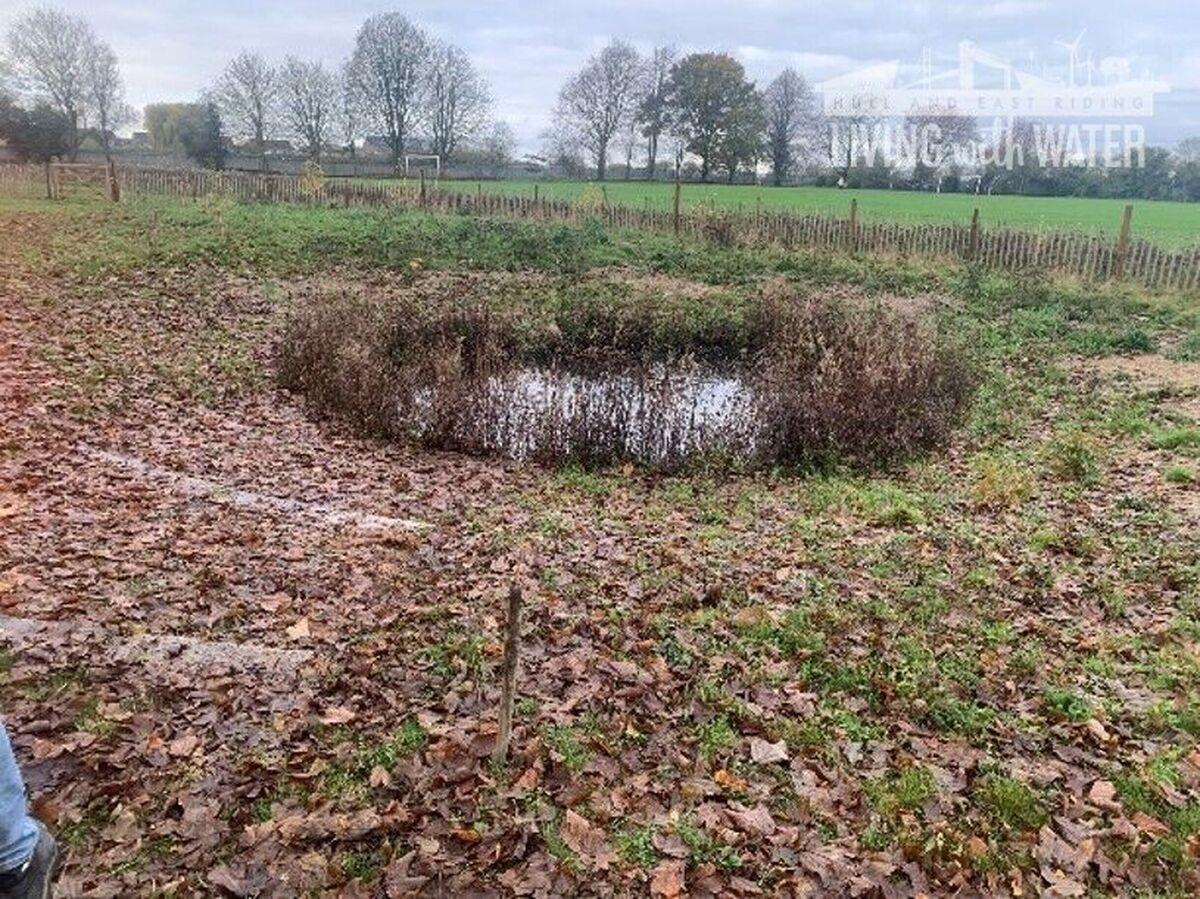
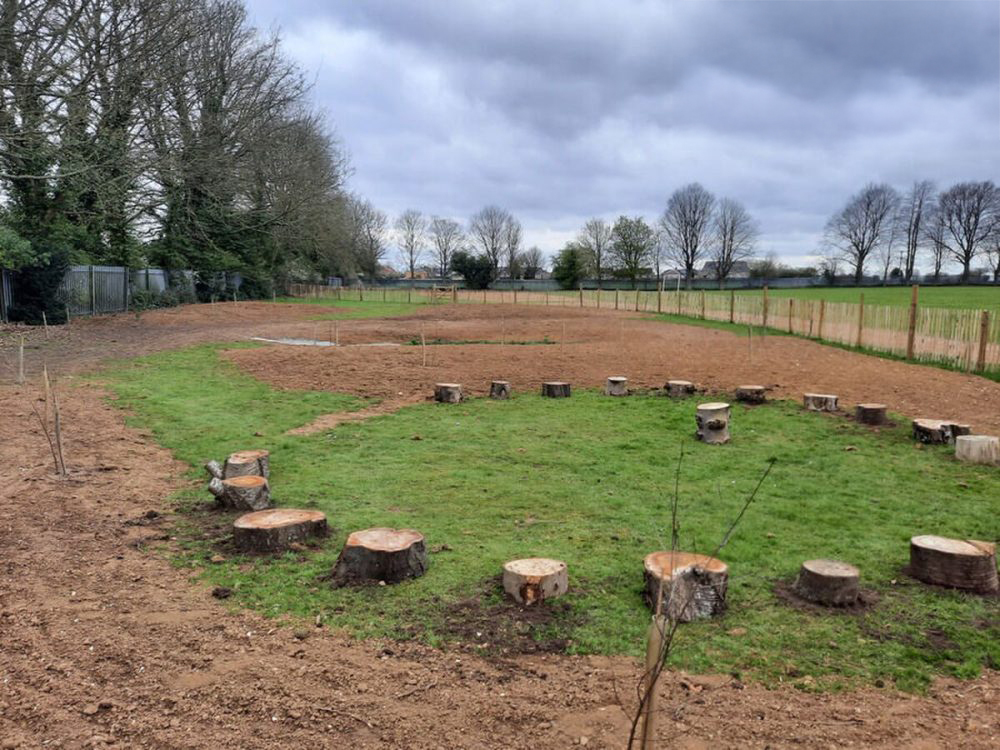
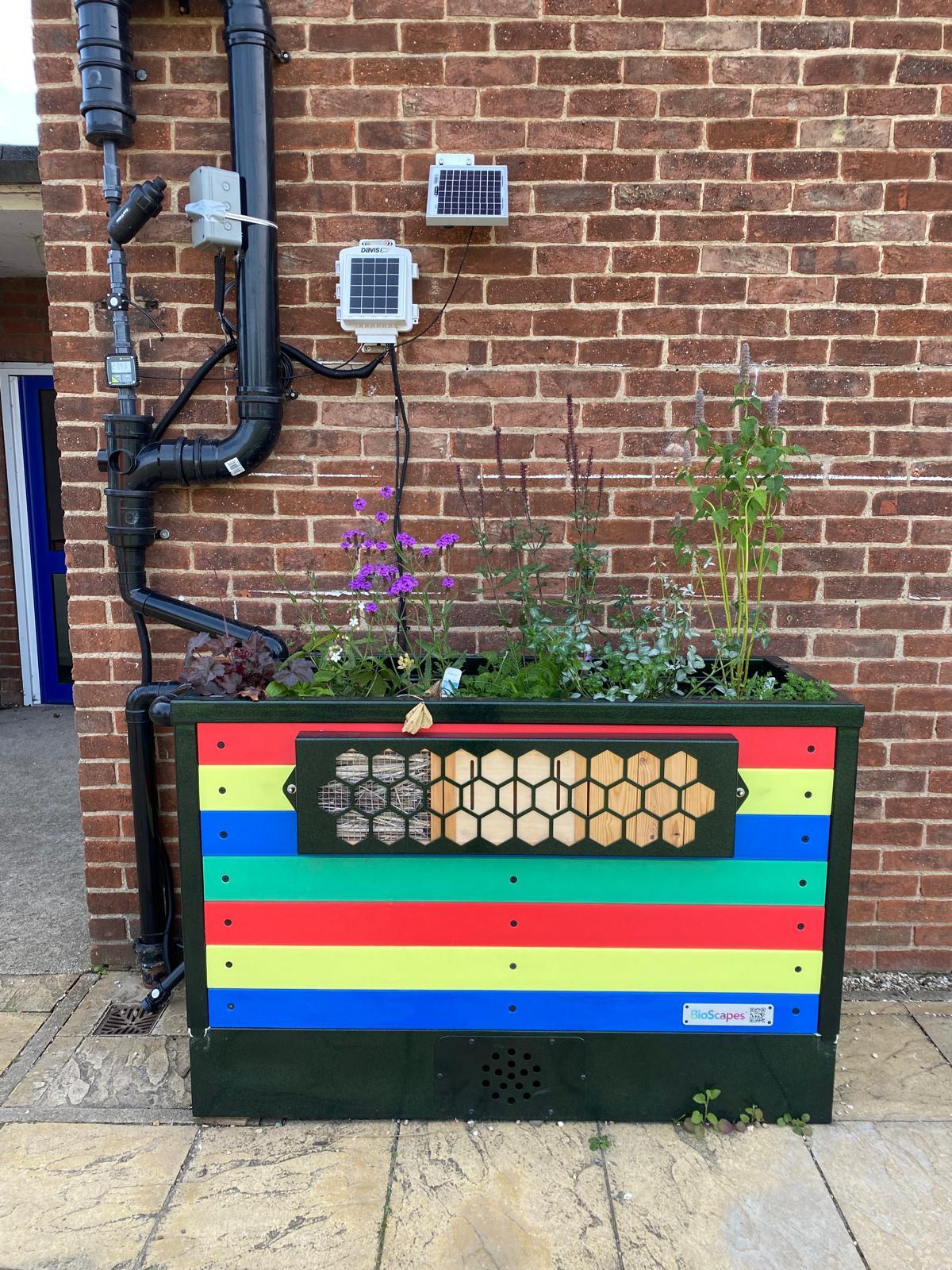
The finished scheme combines several SuDS features that slow and store rainwater across the site. Three rainwater planters and one extra-large planter were connected to the school's roof downpipes, capturing water before it becomes runoff. A swale and an expanded wildlife pond manage water naturally across the grounds.
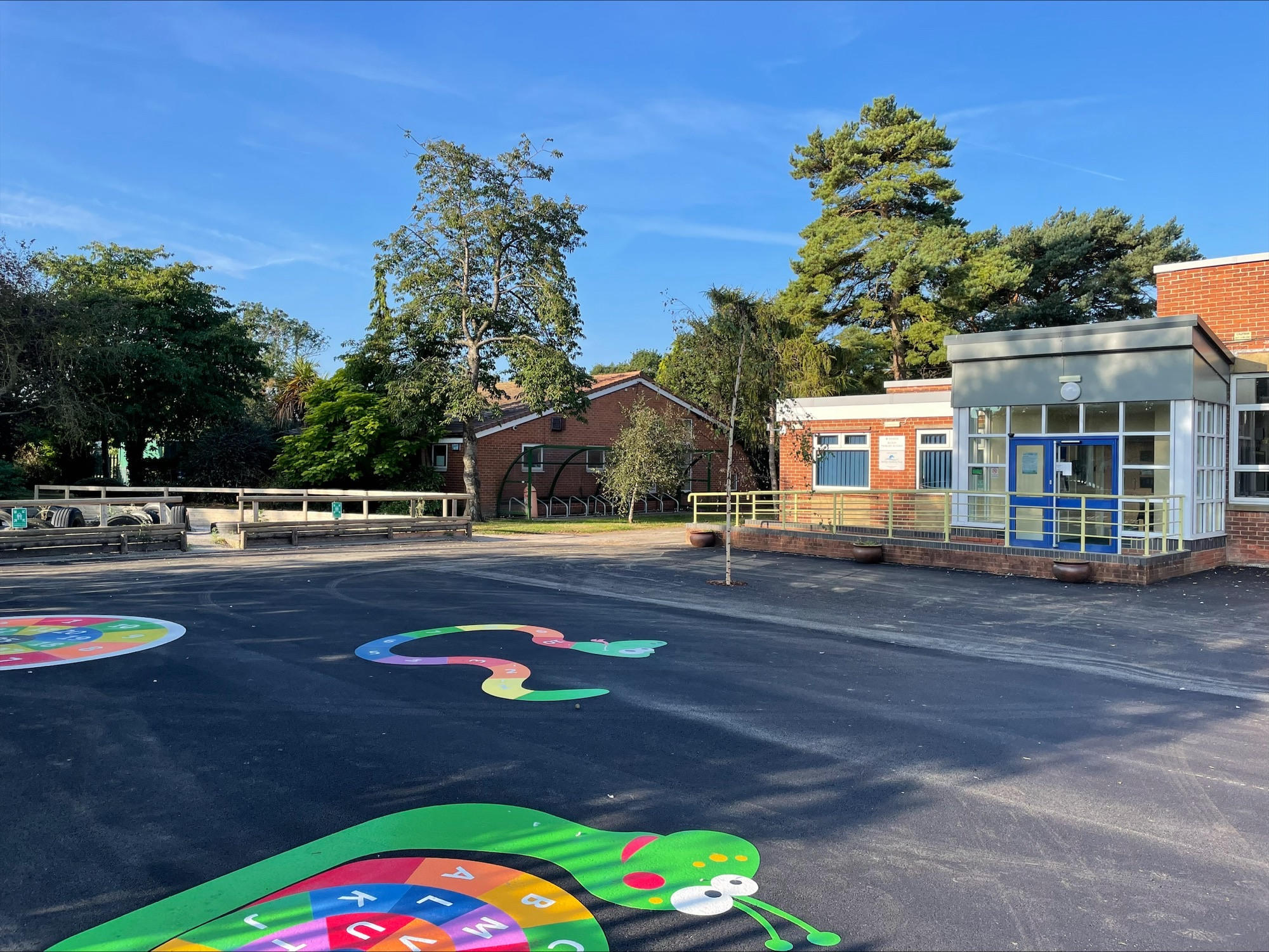
Within the playground, a tree pit with underground water storage was installed and playground markings were redesigned in collaboration with students. New channel drains and a resurfaced car park completed the drainage improvements across the site.
The scheme builds on earlier work delivered through the MAGIC research initiative, which had already created an outdoor classroom and a wildlife pond at the school, providing a foundation for Living With Water to extend and enhance.
400m³
of water stored – roughly the amount of water the population of Bilton uses per day
4
rainwater planters installed, connected to roof downpipes
1
swale and expanded wildlife pond
£0
cost to the school – fully partnership-funded
Gallery
The Solution
Flood resilience that also teaches
The scheme has reduced surface water flood risk for the school and the surrounding area, adding 400m³ of storage capacity to the wider Bilton drainage network. But its impact goes further than the drainage figures suggest.
The school now has a living, working example of sustainable drainage that children helped design and can see in action. Rainwater planters, the swale and the pond are part of everyday school life. The outdoor classroom and wildlife pond provide spaces where flood resilience lessons can be brought to life in the real world.
For pupils growing up in an area where flood risk is a genuine and long-term reality, that education is as important as the infrastructure itself.